

HopperEXAMPLE 01


Provide a forward-looking reference
Hopper shows predicted price changes over time. That forecast gives context for today’s fare, but its uncertainty and assumptions remain important.
The first number can shape later judgments.
01 / UNDERSTAND
An initial value can become a reference point for evaluating later information. In design, prices, estimates and prefilled amounts may act as anchors. Make comparisons relevant and explain the basis of estimates.
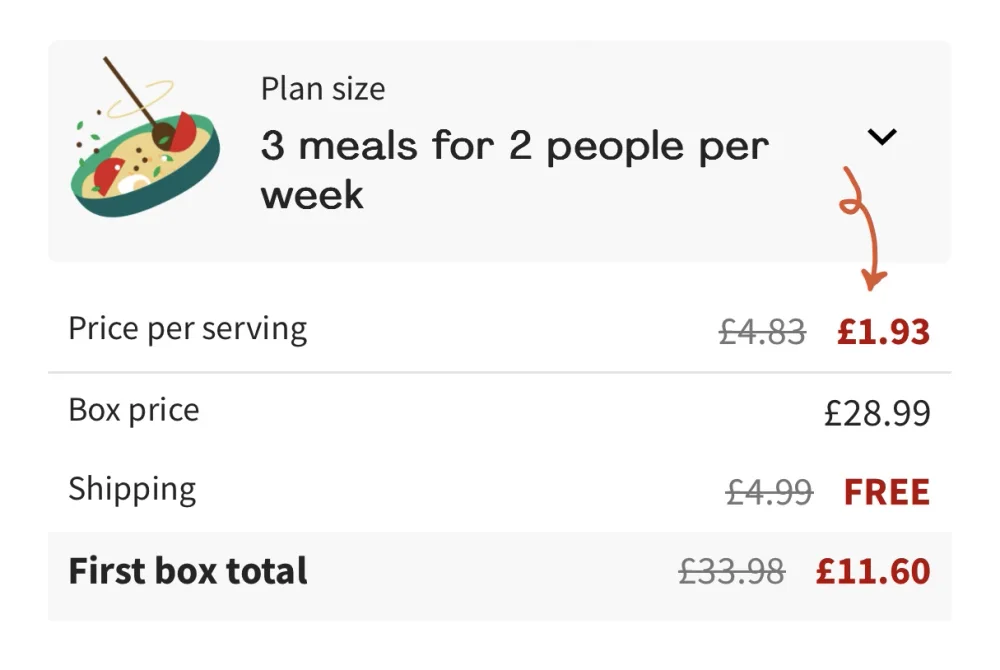
An initial number or comparison can become the reference for later judgments. A sale price can feel different beside a high crossed-out price even when the amount paid is unchanged. Consider what people see first and whether comparisons are relevant. Reference prices and forecasts must not misrepresent the real choice.
02 / RECOGNISE
Examples of how the principle can appear in an interface.
Hopper shows predicted price changes over time. That forecast gives context for today’s fare, but its uncertainty and assumptions remain important.
Airbnb’s final checkout example reminds the guest of the value comparison. A useful reminder should make the basis of the claim clear rather than merely declaring a bargain.
A premium pricing tier provides a concrete example of how the first number seen can influence the interpretation of other prices.
03 / CONNECT
Initial information can shape later price comparisons and perceived value. Explain the basis of a reference point and avoid invented discounts or unjustified estimates.
Possible influences to investigate, rather than guaranteed outcomes for every product.
04 / APPLY
Use relevant comparisons
Explain estimate assumptions
Allow independent user input
05 / EXPLORE WITH UPSLIDE
Use a practical guide, read a deeper explanation.

Show comparable costs and value so an opening number does not substitute for understanding.

Compare respectful persuasion with choices that obscure refusal, commitments or consequences.
CONNECT THE IDEAS
Keep exploring