

ShopEXAMPLE 01


Use the first chosen item as context
Shop bases further recommendations on an initial addition. The early selection becomes a reference for subsequent browsing rather than an isolated action.
Position can influence what people remember.
01 / UNDERSTAND
In some memory tasks, items near the beginning and end of a sequence are recalled better than those in the middle. Interface reading differs from memorising a list, so use this as a prompt to examine ordering rather than a fixed layout rule.
The first and last parts of a sequence can be easier to remember than its middle. The beginning supplies an initial reference and the ending remains recent. In product communication, ordering benefits, recommendations and confirmations can change emphasis. Do not use position as an excuse to bury important conditions where they are harder to notice.
02 / RECOGNISE
Examples of how the principle can appear in an interface.
Shop bases further recommendations on an initial addition. The early selection becomes a reference for subsequent browsing rather than an isolated action.
Crumbl shows the complete order again at the end of checkout. The final view reinforces what has been purchased instead of leaving only an abstract success message.
03 / CONNECT
Ordering can change what people notice, remember or use as a comparison. Place important information where it supports the decision, not where it is easiest to overlook.
Possible influences to investigate, rather than guaranteed outcomes for every product.
04 / APPLY
Order content around the task
Keep critical instructions visible
Provide a final review of consequential choices
05 / EXPLORE WITH UPSLIDE
Use a practical guide, read a deeper explanation.
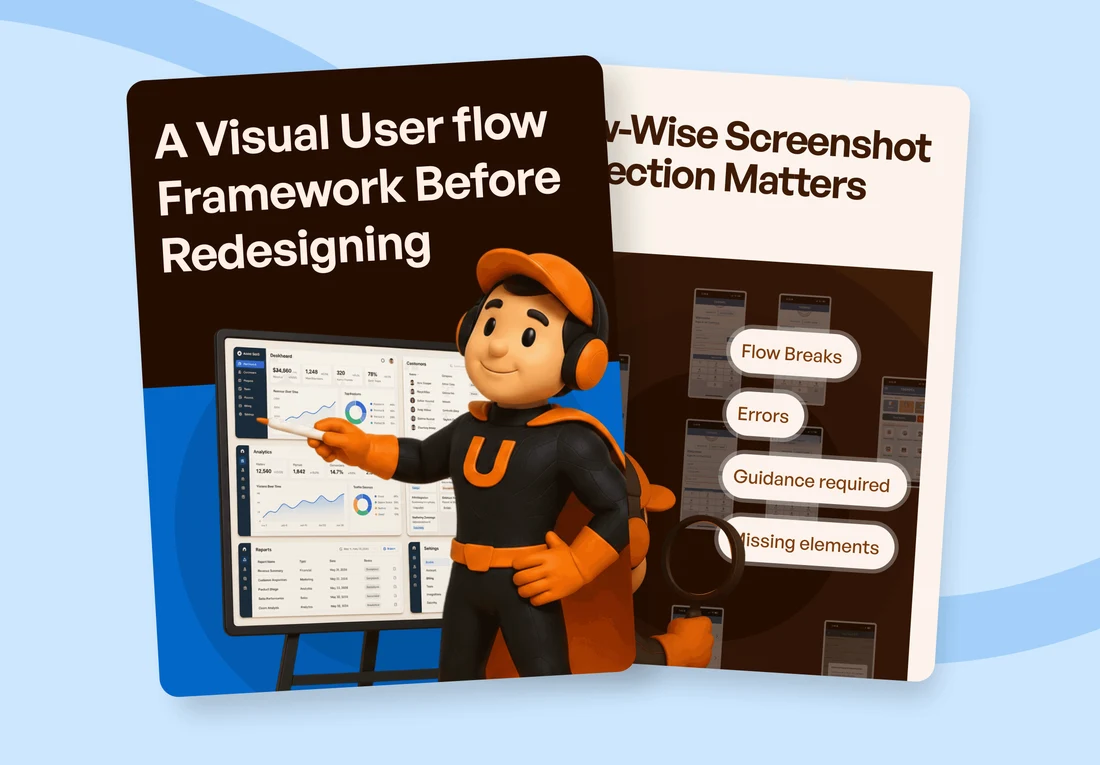
Arrange information around the task and check what people actually notice and remember.
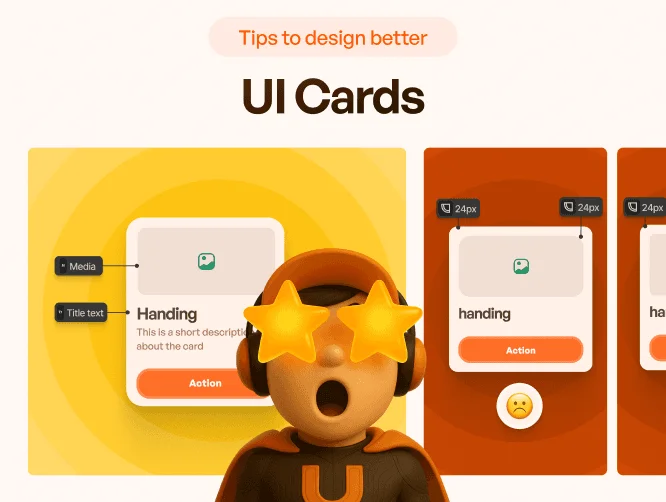
Use card anatomy and hierarchy to make one set of information easier to compare.
CONNECT THE IDEAS
Keep exploring