


TimespentEXAMPLE 01


Make an empty workspace explorable
Timespent provides demonstration activities on a blank starting screen. A newcomer can inspect working examples before inventing their own content.
Teach the missing knowledge at the point of need.
01 / UNDERSTAND
The knowledge gap is the difference between what someone understands and what the task requires. Good onboarding and help target that difference. Do not assume people need a tour of every feature.
A knowledge gap is missing information needed to use a feature effectively. It differs from an optional curiosity gap. Teach the unfamiliar concept close to the action it enables. Role-playing what a helpful person would explain beside a new user can reveal missing context, but it does not replace research with actual users.
02 / RECOGNISE
Examples of how the principle can appear in an interface.
Timespent provides demonstration activities on a blank starting screen. A newcomer can inspect working examples before inventing their own content.
Lovable’s example introduces guidance after repeated unsuccessful instructions. The teaching is tied to an emerging need rather than shown identically to everyone upfront.
03 / CONNECT
Missing task knowledge can reduce feature use and lead to frustration or abandonment. Relevant examples and well-timed teaching can make the next action understandable.
Possible influences to investigate, rather than guaranteed outcomes for every product.
04 / APPLY
Identify unfamiliar concepts
Explain them where they affect a choice
Check understanding with a real task
05 / EXPLORE WITH UPSLIDE
Use a practical guide, read a deeper explanation, or examine a related Upslide project.
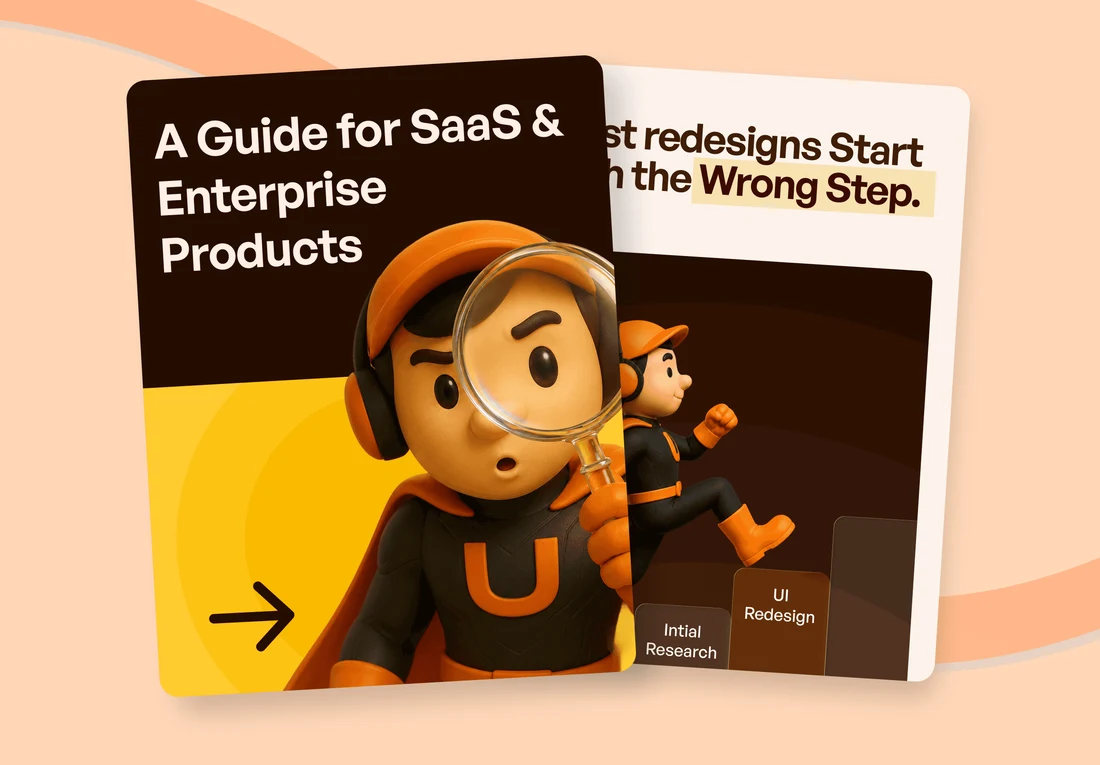
Find the missing domain knowledge before deciding whether a tooltip or tutorial is enough.
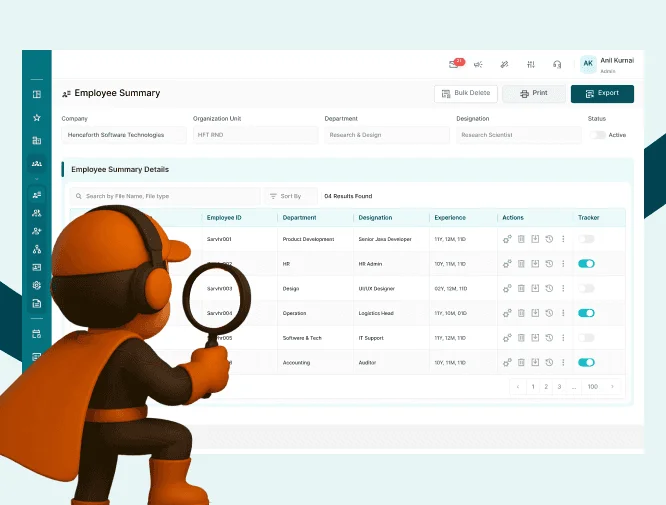
Follow employee, manager and administrator tasks to see where guidance and ownership are needed.
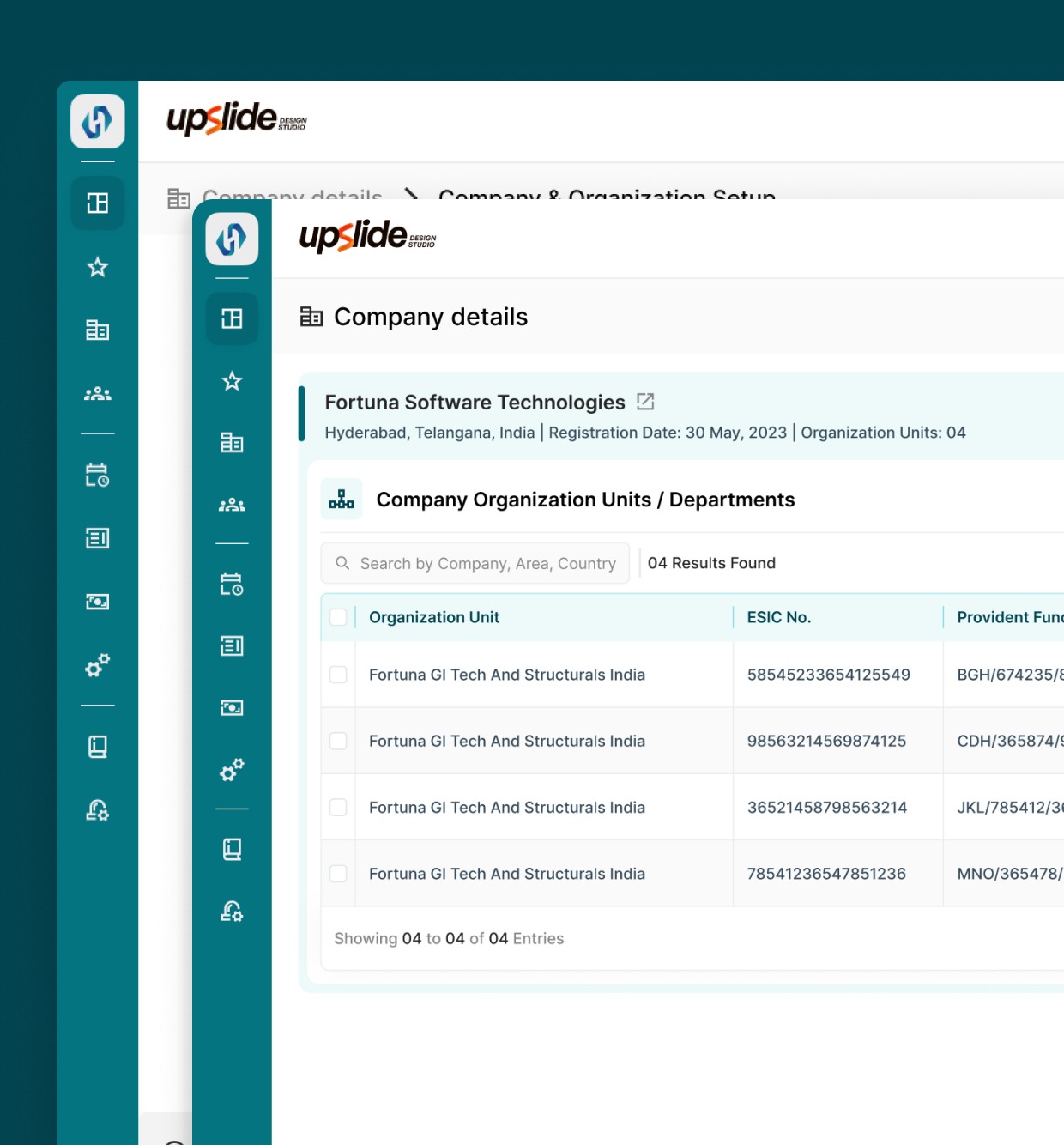
See how unclear actions and missing setup guidance affected HRETE’s onboarding.
CONNECT THE IDEAS
Keep exploring
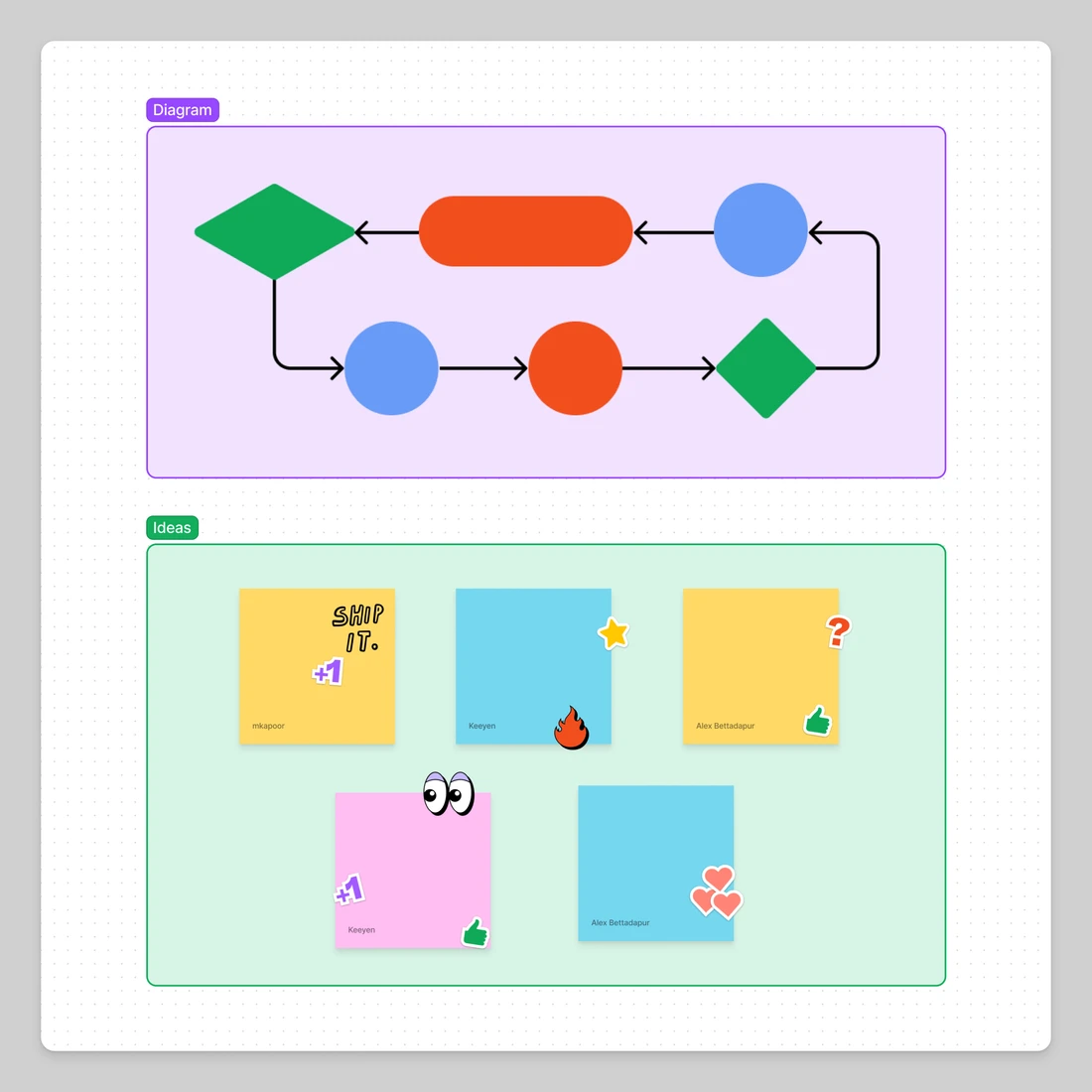
A shared boundary makes separate elements feel like one group.