


SlackEXAMPLE 01


Let a group develop its own references
Slack’s custom emoji lets teams create shared jokes and expressions. The community adds meaning that a standard feature set cannot prescribe in advance.
A sense of belonging can influence preference.
01 / UNDERSTAND
People may identify with groups and take cues from shared membership. Products can support genuine community through shared interests and mutual help. Identity should not become a reason to exclude or mislead.
Shared interests, references and goals can make people feel understood and connected. A product community may form around a game, profession or hobby rather than a formal group. In-jokes and shared conventions can strengthen belonging, but should not exclude newcomers or stereotype everyone in an audience.
02 / RECOGNISE
Examples of how the principle can appear in an interface.
Slack’s custom emoji lets teams create shared jokes and expressions. The community adds meaning that a standard feature set cannot prescribe in advance.
Mobbin turns an error page into a small interface-identification quiz. The interaction speaks to a design audience through a relevant shared interest.
03 / CONNECT
Shared references and community can support enjoyment and recommendations. Help people feel understood without assuming every member has the same interests or excluding newcomers.
Possible influences to investigate, rather than guaranteed outcomes for every product.
04 / APPLY
Build around meaningful shared goals
Make entry expectations clear
Protect respectful participation
05 / EXPLORE WITH UPSLIDE
Use a practical guide, read a deeper explanation.
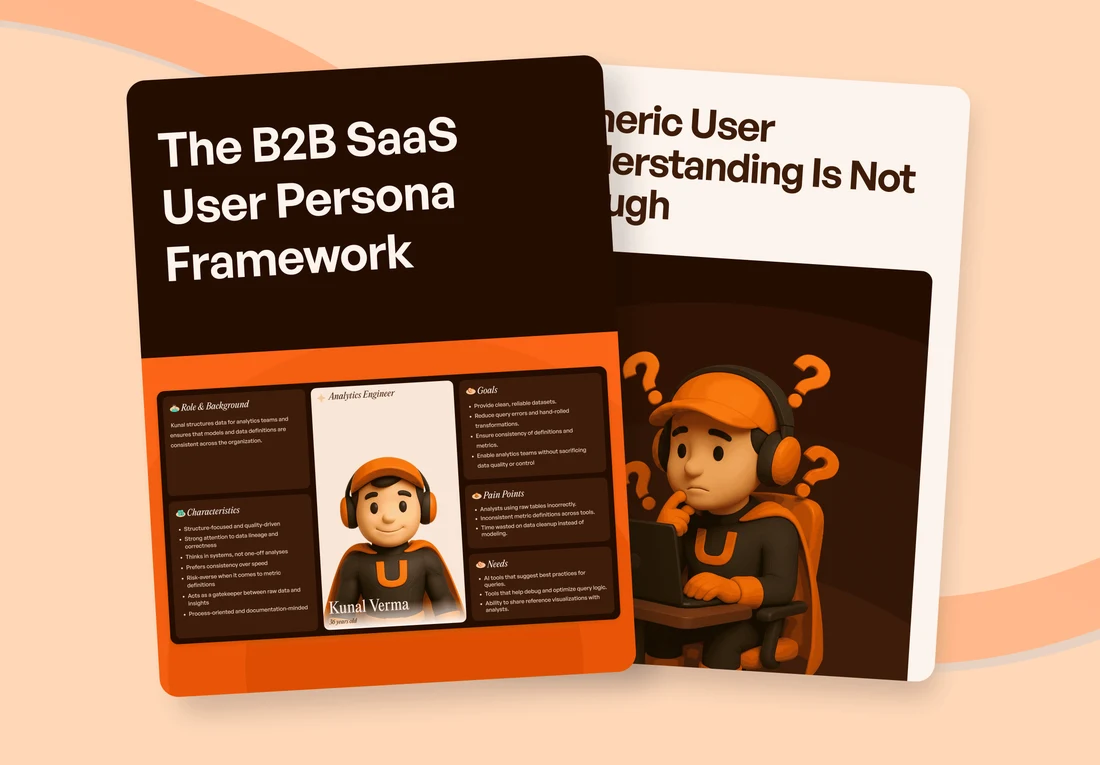
Use audience research to understand belonging without excluding or stereotyping other users.

Compare product interactions with testable psychological interpretations and their limits.
CONNECT THE IDEAS
Keep exploring