

WhatnotEXAMPLE 01


Ask about needs, then configure accordingly
Whatnot asks about interests before shaping the home feed. The user expresses preferences rather than constructing the entire navigation.
Do the design work before asking users to configure it.
01 / UNDERSTAND
Flexibility is useful when people understand a choice and benefit from making it. Asking users to build their entire experience can transfer unresolved product decisions to them. Offer a coherent starting point with meaningful control.
Giving people unlimited customisation does not resolve an unclear product design. A blank dashboard asks them to decide what matters before they understand the tool. Provide a useful configuration informed by research, then allow meaningful adjustments. Explain the consequences when a decision genuinely belongs to the user.
02 / RECOGNISE
Examples of how the principle can appear in an interface.
Whatnot asks about interests before shaping the home feed. The user expresses preferences rather than constructing the entire navigation.
Rise Sleep Tracking marks a typical range beside a timing slider. The context helps someone make a configuration choice they might otherwise be poorly equipped to judge.
03 / CONNECT
Too much initial configuration can create anxiety, weak setups or early abandonment. Meaningful choices need context about what they will change.
Possible influences to investigate, rather than guaranteed outcomes for every product.
04 / APPLY
Provide a useful starting state
Explain the consequences of customisation
Support reset and undo
05 / EXPLORE WITH UPSLIDE
Use a practical guide, read a deeper explanation, or examine a related Upslide project.

Identify which decisions belong to the system and which need human ownership.

Review recommendation context, disagreement, user control and failure in an AI-assisted decision.
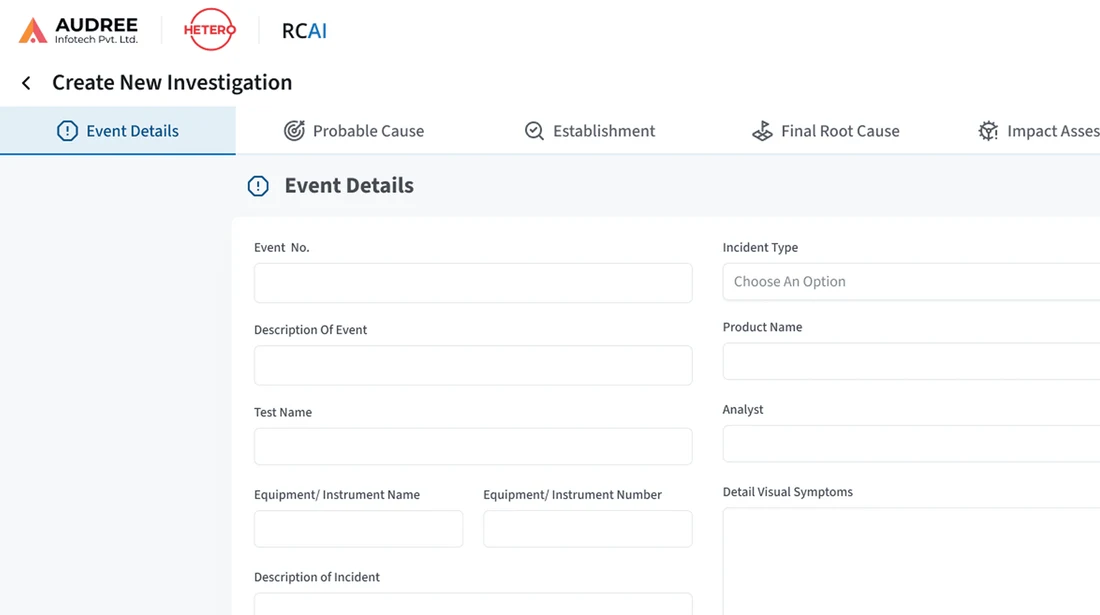
RCAI’s validation and cause-definition steps provide a useful setting for reviewing human oversight.
CONNECT THE IDEAS
Keep exploring