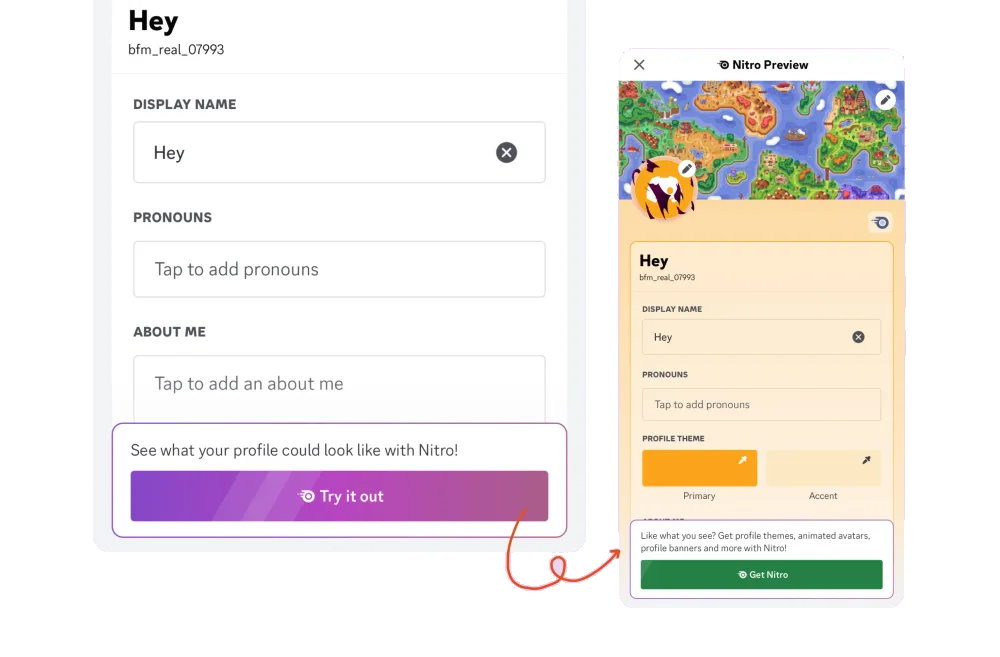


QueueEXAMPLE 01


Bound a repetitive onboarding activity
Queue sets a short time limit for identifying previously watched titles. The design avoids making an initial preference-building exercise feel unending.
Treat the depleted-willpower explanation cautiously.
01 / UNDERSTAND
The hypothesis proposes that using self-control reduces capacity for later self-control. Major replication work has challenged a simple limited-resource account. Do not present a willpower battery as settled science. Long or difficult tasks can still be burdensome for many reasons.
The original hypothesis suggests that effortful self-control can make a later demanding task harder. Its simple finite-resource explanation has been challenged by replication research, so do not present a depleted battery or glucose mechanism as settled fact. The design examples still raise useful questions about repetitive work, pauses and when people first experience value.
02 / RECOGNISE
Examples of how the principle can appear in an interface.
Queue sets a short time limit for identifying previously watched titles. The design avoids making an initial preference-building exercise feel unending.
Atoms allows a first habit to be created before account setup. This reduces the amount of preliminary administration before a person tries the central activity.
03 / CONNECT
Demanding signup and repetitive questions can affect completion and answer quality. Investigate the actual task burden rather than attributing every dropout to a contested mechanism.
Possible influences to investigate, rather than guaranteed outcomes for every product.
04 / APPLY
Observe specific task difficulties
Offer save and resume
Avoid diagnosing motivation from abandonment
05 / EXPLORE WITH UPSLIDE
Use a practical guide, read a deeper explanation.
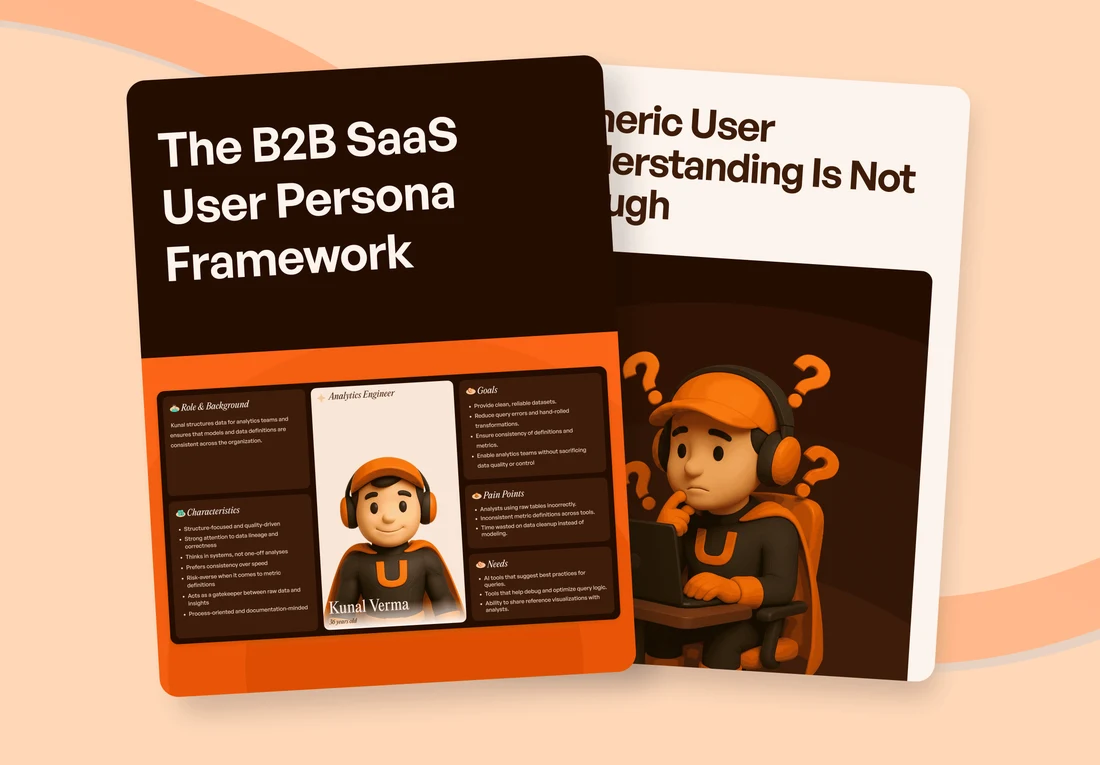
Investigate workload, interruptions and context rather than assuming a single depleted-willpower explanation.
Choose a research method by the uncertainty you need to resolve and plan what would challenge the hypothesis.
CONNECT THE IDEAS
Keep exploring