


UberEXAMPLE 01


Show safety support before it is needed
Uber makes ride monitoring and routes to assistance visible. The safety options provide reassurance as well as support for the uncommon situation in which someone needs help.
Make help and recovery easy to find.
01 / UNDERSTAND
A clearly available support or recovery option can give people confidence even when they rarely use it. Low use does not mean the control has no value. Its value may include reassurance and the ability to recover from an uncommon problem.
A recovery option can be valuable even when few people activate it. Like knowing that a ship has lifeboats, seeing help, undo or a fair cancellation route can reassure people before anything goes wrong. Low usage therefore does not establish low value. The safety net must be real, findable and capable of doing what the interface promises.
02 / RECOGNISE
Examples of how the principle can appear in an interface.
Uber makes ride monitoring and routes to assistance visible. The safety options provide reassurance as well as support for the uncommon situation in which someone needs help.
Bolt asks after a ride whether something was left behind and provides a way to contact the driver. Most passengers will not need it, but the option makes recovery understandable.
Nike’s cancellation window gives buyers a visible recovery option after ordering. Explaining when and how an order can be cancelled can make the purchase feel safer.
03 / CONNECT
A visible recovery route may support confidence in a risky feature and reduce anxiety. Evaluate reassurance and successful recovery as well as how often the control is clicked.
Possible influences to investigate, rather than guaranteed outcomes for every product.
04 / APPLY
Expose relevant recovery routes
Explain what can and cannot be undone
Verify that the promised help actually works
05 / EXPLORE WITH UPSLIDE
Use a practical guide, read a deeper explanation, or examine a related Upslide project.
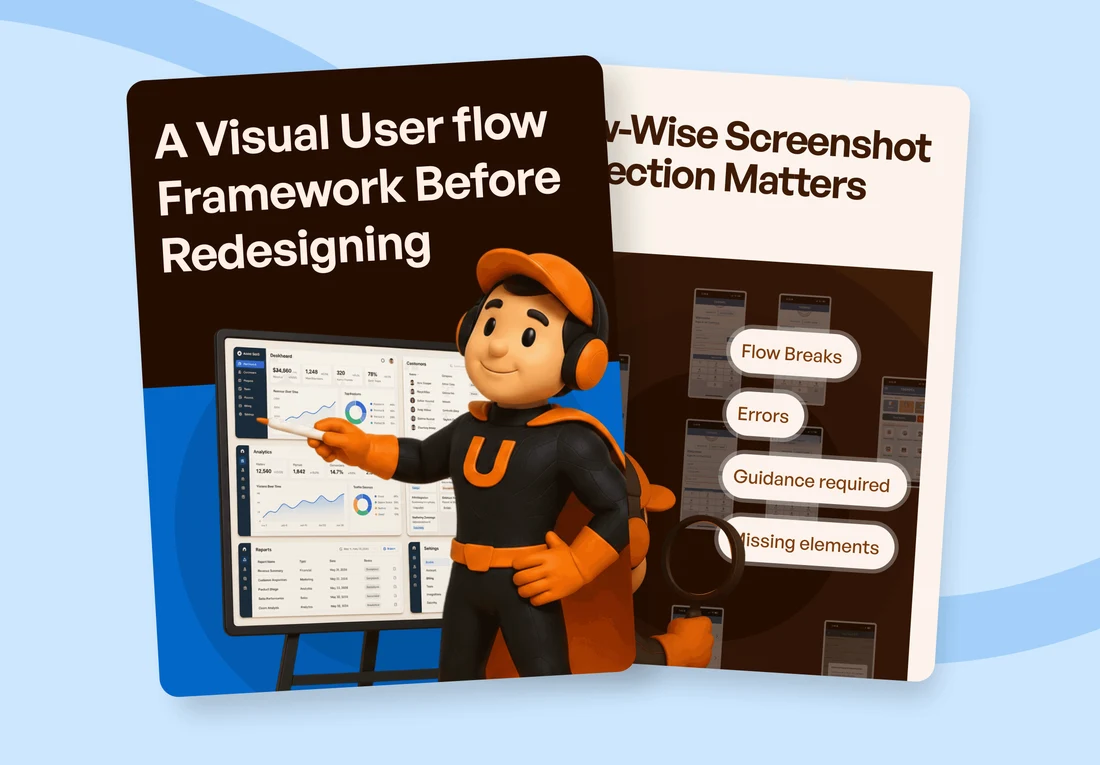
Test help, failure and recovery routes as part of the full journey.

Review loading, saving and error-recovery states using practical SaaS microinteractions.
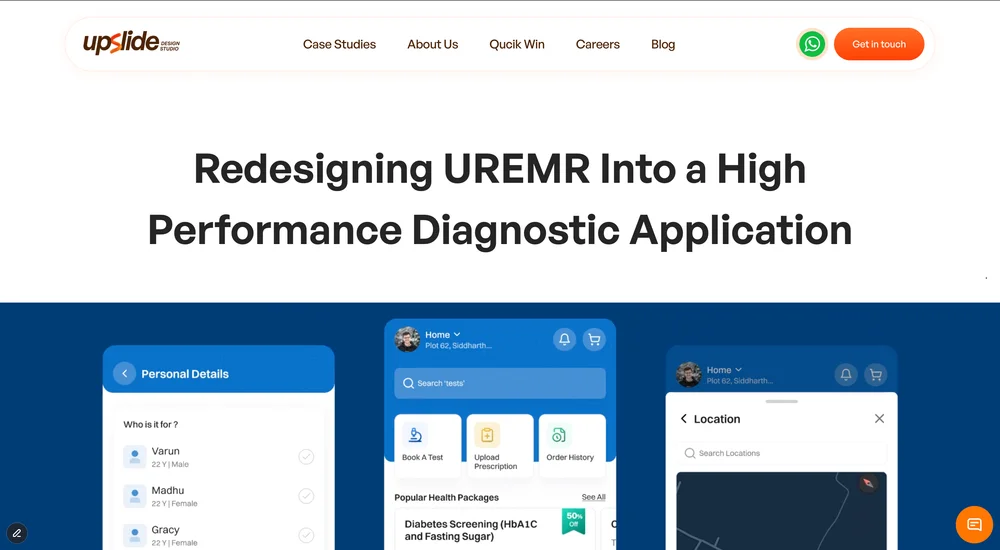
Review UREMR’s clearer booking and report journeys as a context for locating recovery support.
CONNECT THE IDEAS
Keep exploring
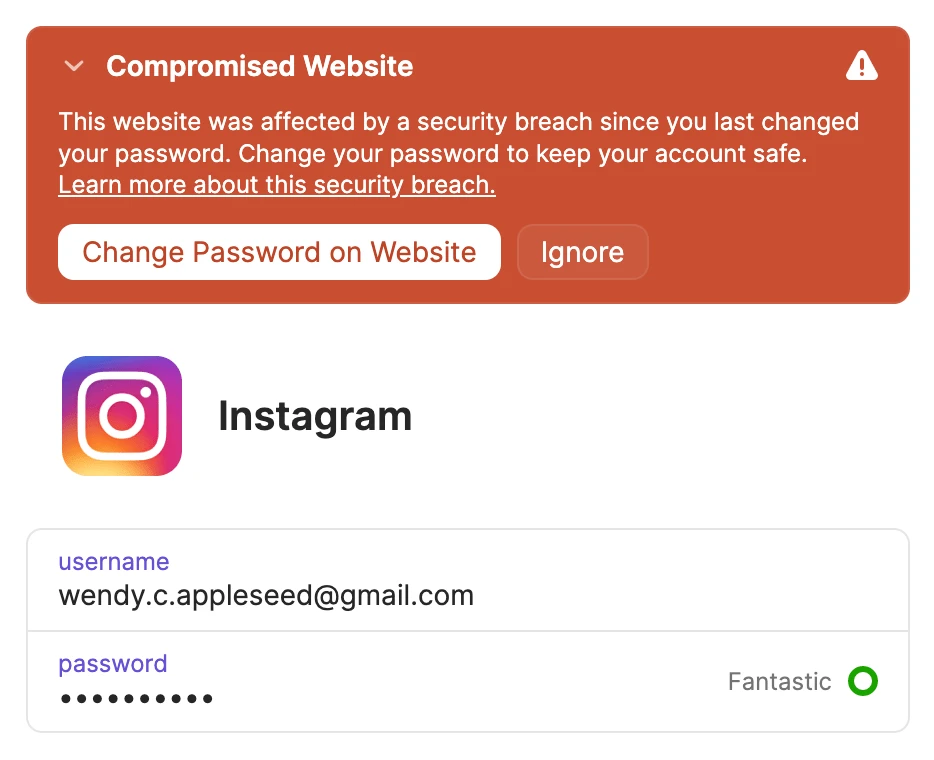
Use meaningful contrast to make one important item distinctive.