


ShopEXAMPLE 01


Reinforce a selected option
Shop displays reassurance beside a selected subscription offer. The pattern shows how validating an existing choice can influence confidence; the claim still needs to be accurate.
Look for evidence that could change your mind.
01 / UNDERSTAND
People can favour information that supports an existing belief and overlook conflicting evidence. Research is stronger when questions, sampling and analysis deliberately make room for disconfirmation.
Confirmation bias can affect what people seek, how they interpret what they find, and what they later remember. In a product, this may make agreeable content more attractive while unfamiliar or contradictory information receives less attention. A useful interface can acknowledge an informed decision without falsely implying that every choice must be correct.
02 / RECOGNISE
Examples of how the principle can appear in an interface.
Shop displays reassurance beside a selected subscription offer. The pattern shows how validating an existing choice can influence confidence; the claim still needs to be accurate.
YouTube’s discovery prompt invites viewers to explore recommendations outside their usual viewing. This creates an opportunity to move beyond a self-reinforcing content pattern.
03 / CONNECT
Agreeable information may attract more attention and feel more rewarding. Consider whether reinforcement helps an informed choice or merely keeps someone inside familiar beliefs.
Possible influences to investigate, rather than guaranteed outcomes for every product.
04 / APPLY
Write a falsifiable hypothesis
Use neutral questions
Record contradictory observations
05 / EXPLORE WITH UPSLIDE
Use a practical guide, read a deeper explanation, or examine a related Upslide project.

Validate findings against the real workflow and look for evidence that contradicts your first explanation.
Choose a research method by the uncertainty you need to resolve and plan what would challenge the hypothesis.
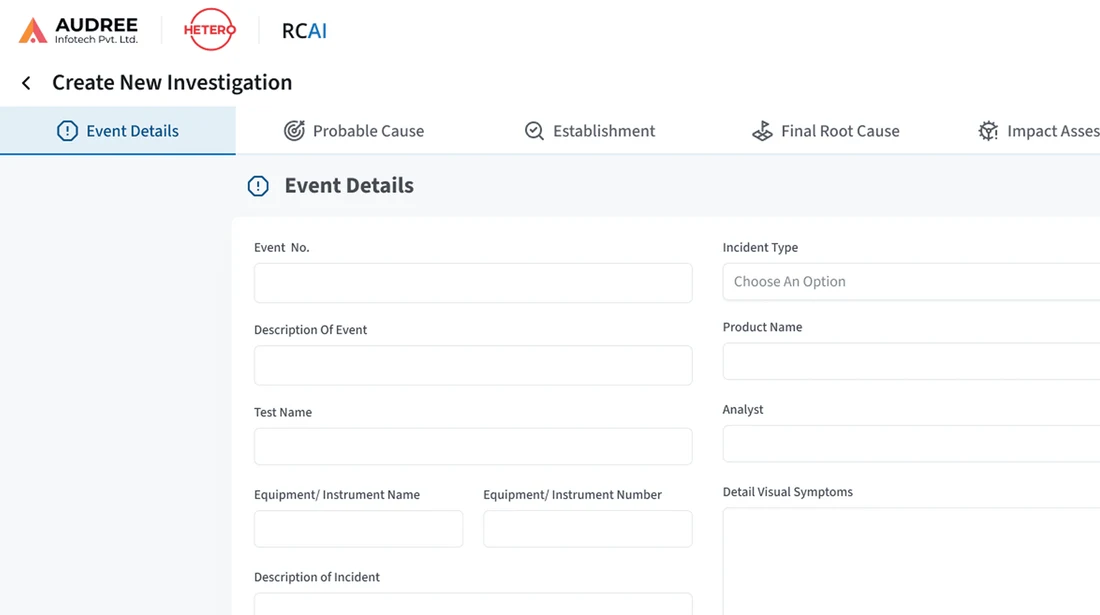
Explore how RCAI lets investigators validate, regenerate or define a suggested cause.
CONNECT THE IDEAS
Keep exploring
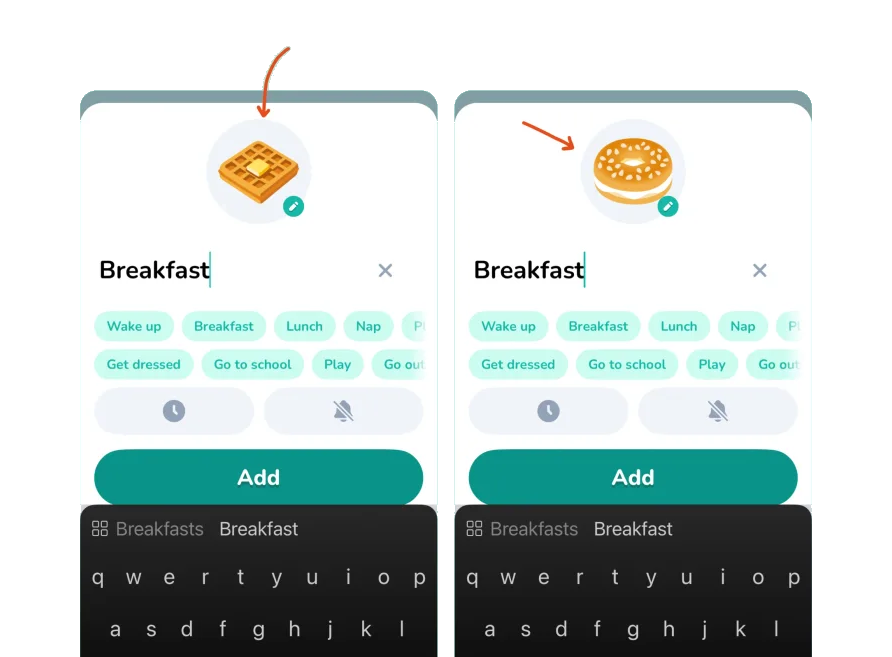
Repeated irrelevant content can become easy to ignore.