
UberEXAMPLE 01


Offer a simpler way to use the product
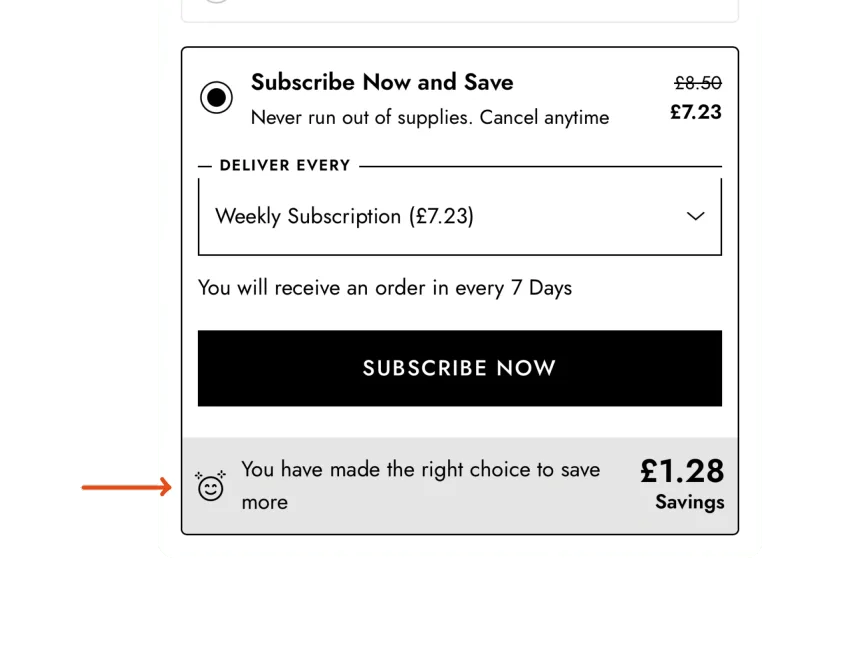
Uber’s Simple Mode reduces the home screen to clearer trip actions and larger controls. It gives people an alternative to a busier mix of services and suggestions.
Reduce the mental work around the task.
01 / UNDERSTAND
An interface consumes attention when people interpret labels, remember information and work out what happens next. Remove avoidable effort while preserving the information needed to make a sound decision.
Working memory has limits. A demanding game can be enjoyable because the player wants the challenge; an administrative form may place similar demands on someone with no interest in the complexity. The design question is which mental work serves the user’s goal, and which work merely comes from using the interface.
02 / RECOGNISE
Examples of how the principle can appear in an interface.
Uber’s Simple Mode reduces the home screen to clearer trip actions and larger controls. It gives people an alternative to a busier mix of services and suggestions.
NoteCircle provides a sample task that can be saved into today’s list. A newcomer can learn the interaction before thinking of real content to enter.
03 / CONNECT
Excess mental work can slow tasks, reduce input quality and increase frustration. A manageable challenge may still be enjoyable when it serves a goal the person values.
Possible influences to investigate, rather than guaranteed outcomes for every product.
04 / APPLY
Keep essential context visible
Use plain labels and meaningful groups
Ask for information only when needed
05 / EXPLORE WITH UPSLIDE
Use a practical guide, read a deeper explanation, or examine a related Upslide project.
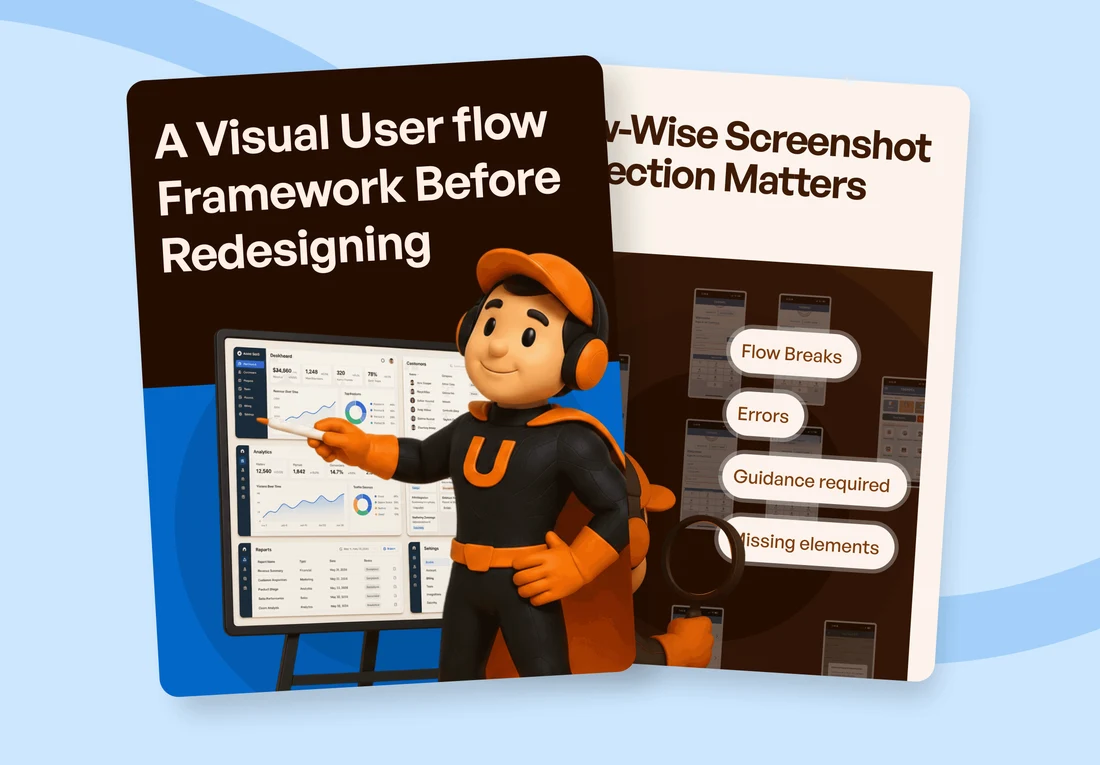
Choose the information people need for the next action, then layer the rest.

Follow the evidence-to-decision ledger in a warehouse UX audit and distinguish observation from proof.
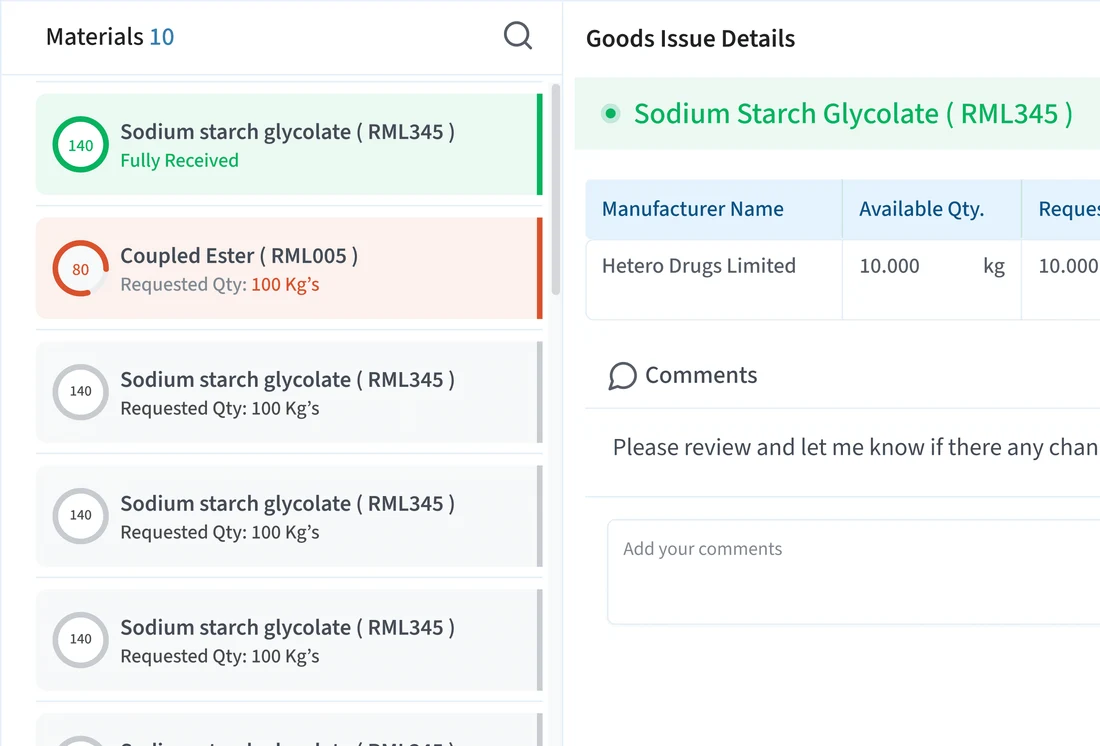
See how WMPS grouped stock movement, status and quantities for warehouse teams.
CONNECT THE IDEAS
Keep exploring