


WeBullEXAMPLE 01


Give useful remaining-work context
WeBull’s exit prompt explains the effort still required. A credible estimate helps someone decide whether to continue rather than leaving them with a vague progress signal.
Plans often underestimate real-world work.
01 / UNDERSTAND
People can underestimate the time or resources a task requires when imagining a smooth path. Use observed completion data, dependencies and ranges rather than optimistic guesses alone.
People can plan around an optimistic, uninterrupted version of a task, even when they know estimates are often wrong. A flow that lasts longer than expected can lead to abandonment or rushed answers. Set realistic expectations before starting and update them when conditions change. Distinguish active work from external waiting.
02 / RECOGNISE
Examples of how the principle can appear in an interface.
WeBull’s exit prompt explains the effort still required. A credible estimate helps someone decide whether to continue rather than leaving them with a vague progress signal.
Uber’s timed waiting example resets expectations during a delay. The timing needs to reflect real conditions and communicate changes rather than repeatedly implying completion is imminent.
03 / CONNECT
An unexpectedly long task can prompt abandonment, frustration or rushed answers. Set realistic expectations and update them when the situation changes.
Possible influences to investigate, rather than guaranteed outcomes for every product.
04 / APPLY
Use historical completion data
State assumptions and dependencies
Offer save and resume
05 / EXPLORE WITH UPSLIDE
Use a practical guide, read a deeper explanation, or examine a related Upslide project.

Base estimates on observable workflow evidence and record uncertainty.

Connect a design hypothesis to goals, research, priorities and a way to assess it.
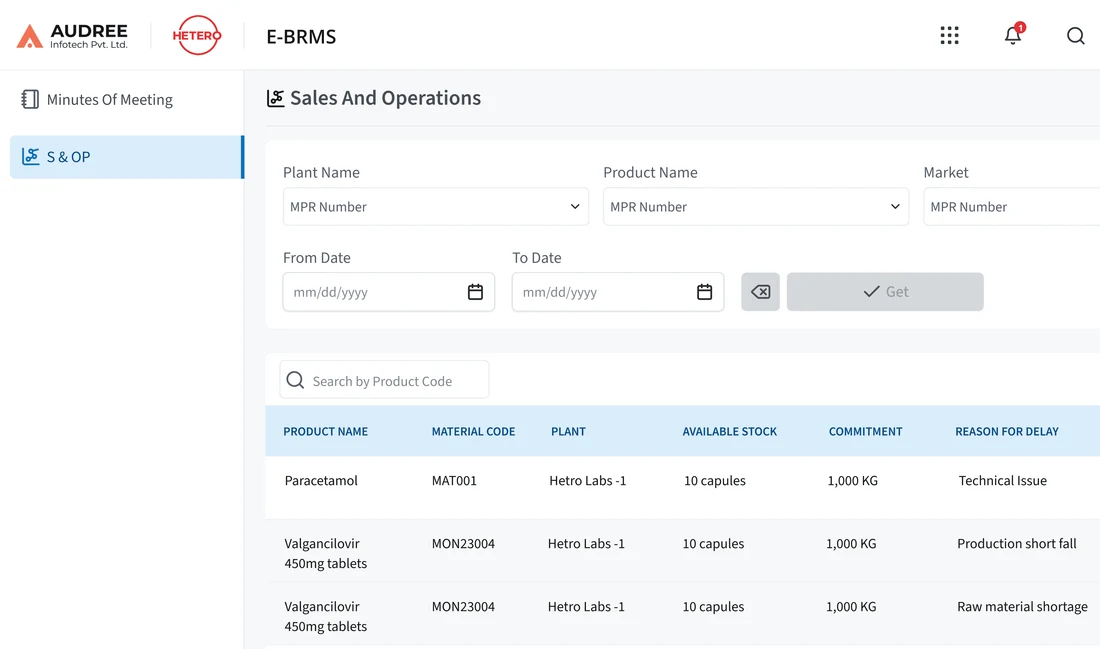
Explore the S&OP planning workflow as a context for reviewing execution readiness.
CONNECT THE IDEAS
Keep exploring