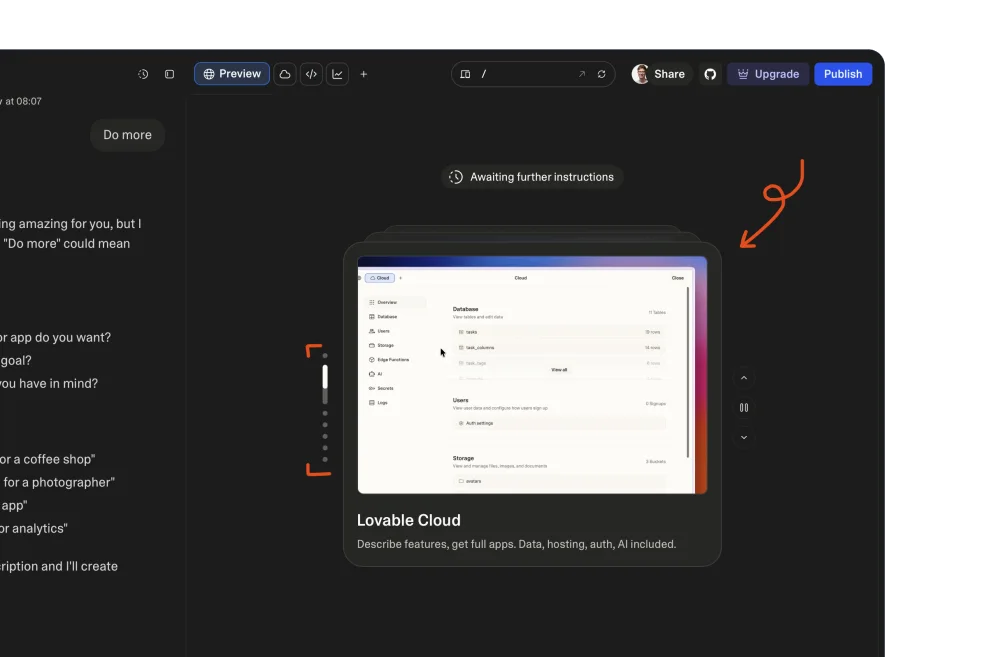


One SecEXAMPLE 01


Make a chosen boundary visible
One Sec offers a mirror intervention when someone attempts to open a restricted app. Seeing themselves creates a pause between their earlier intention and their immediate action.
Conflicting beliefs and experiences can create discomfort.
01 / UNDERSTAND
People can feel tension when their actions, expectations or beliefs do not fit together. In a product, an unexpected consequence can undermine confidence. Address the inconsistency with clear information and a way to act.
A person’s behaviour can conflict with their picture of themselves: wanting to be healthy while craving fast food, for example. They may justify the behaviour, change it, or adopt a balancing behaviour. A product can expose this tension, reduce it, or unintentionally make it worse. The response can affect both continued use and the accuracy of self-reported information.
02 / RECOGNISE
Examples of how the principle can appear in an interface.
One Sec offers a mirror intervention when someone attempts to open a restricted app. Seeing themselves creates a pause between their earlier intention and their immediate action.
Monzo lets someone record a personal explanation for enabling a gambling block. Revisiting that message when disabling it reconnects the decision to their earlier intention.
A hypothetical Netflix watch-time recap explores the discomfort of a gap between behaviour and self-image. This is a thought experiment.
03 / CONNECT
Conflict with self-image can influence feature use, habits and comfort. It can also make self-reported intentions unreliable, so observe behaviour as well as stated plans.
Possible influences to investigate, rather than guaranteed outcomes for every product.
04 / APPLY
Align promises with actual behaviour
Explain changes and surprises
Offer correction or reversal
05 / EXPLORE WITH UPSLIDE
Use a practical guide, read a deeper explanation, or examine a related Upslide project.
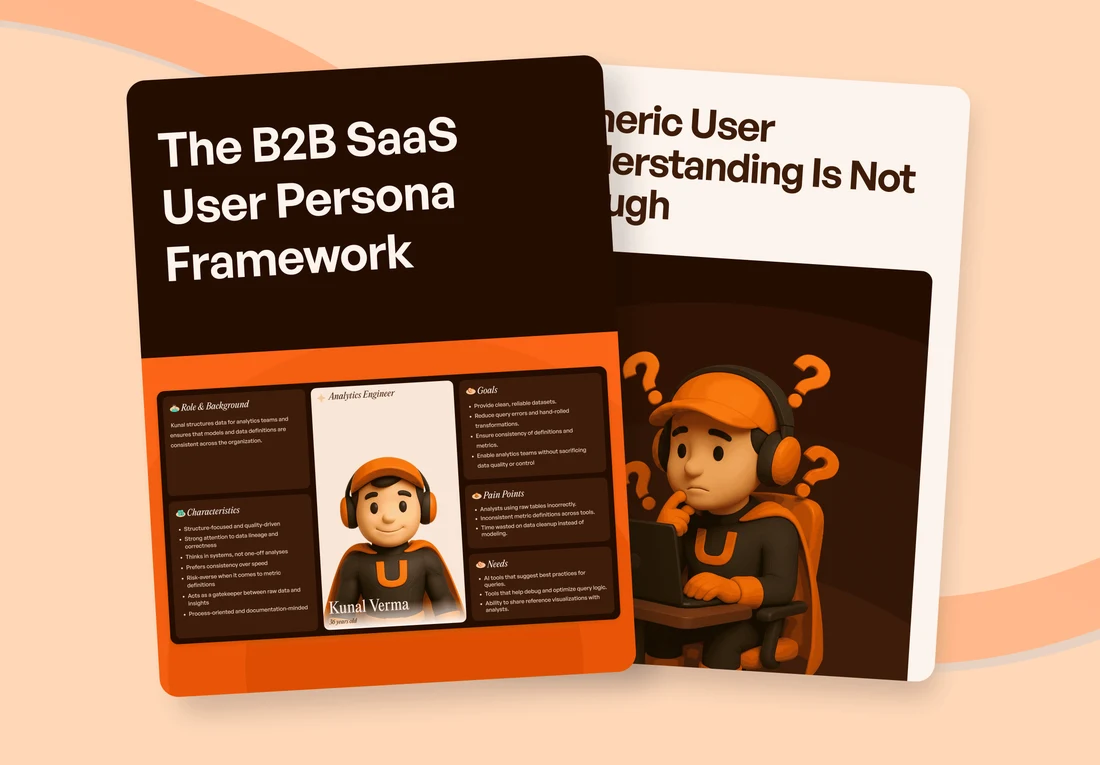
Check whether the interface behaves as users expect before explaining away their discomfort.

Review recommendation context, disagreement, user control and failure in an AI-assisted decision.
Examine ECHO’s move toward more predictable data interactions.
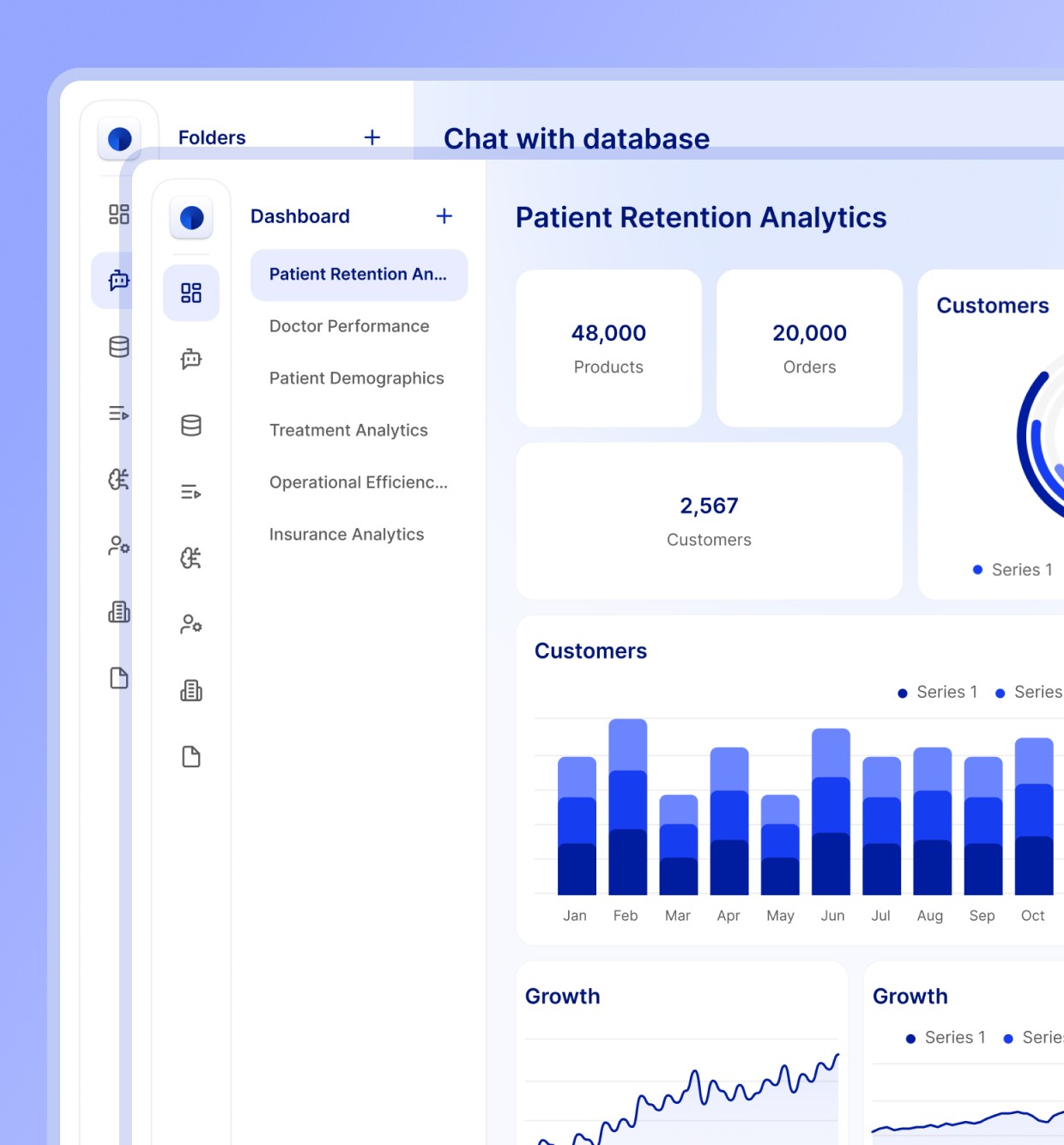
CONNECT THE IDEAS
Keep exploring