

UberEXAMPLE 01


Recognise the influence of a preselection
Uber’s tipping example changes the suggested amount with conditions. The pattern illustrates why a cost-related default needs clear visibility and user control.
A preselected option carries influence.
01 / UNDERSTAND
People may keep an existing selection because changing it takes effort or because they interpret it as a recommendation. A default should be useful, transparent and easy to change.
An existing selection is often retained because changing it requires effort or because it appears to be endorsed. Defaults influence feature adoption, package selection and routine habits. A suitable default can help; an unsuitable one can steer people into an unwanted commitment. Important preselected choices should be visible and easy to change.
02 / RECOGNISE
Examples of how the principle can appear in an interface.
Uber’s tipping example changes the suggested amount with conditions. The pattern illustrates why a cost-related default needs clear visibility and user control.
NoteCircle pre-fills an example task so someone can try the main action. The default is a starting point that can be replaced with their own task.
Purchase defaults can steer people into commitments they did not actively choose. Compare these with defaults that support a frequent task, and make the selected option and its consequences clear.
03 / CONNECT
Preselection can influence conversion, purchases and feature adoption. A helpful default can also reduce routine effort, so evaluate whose needs it actually serves.
Possible influences to investigate, rather than guaranteed outcomes for every product.
04 / APPLY
Choose defaults based on user needs
Explain important preselected settings
Make changes easy and reversible
05 / EXPLORE WITH UPSLIDE
Use a practical guide, read a deeper explanation, or examine a related Upslide project.

Review what a default selects, who can change it and what its consequences are.

Compare respectful persuasion with choices that obscure refusal, commitments or consequences.
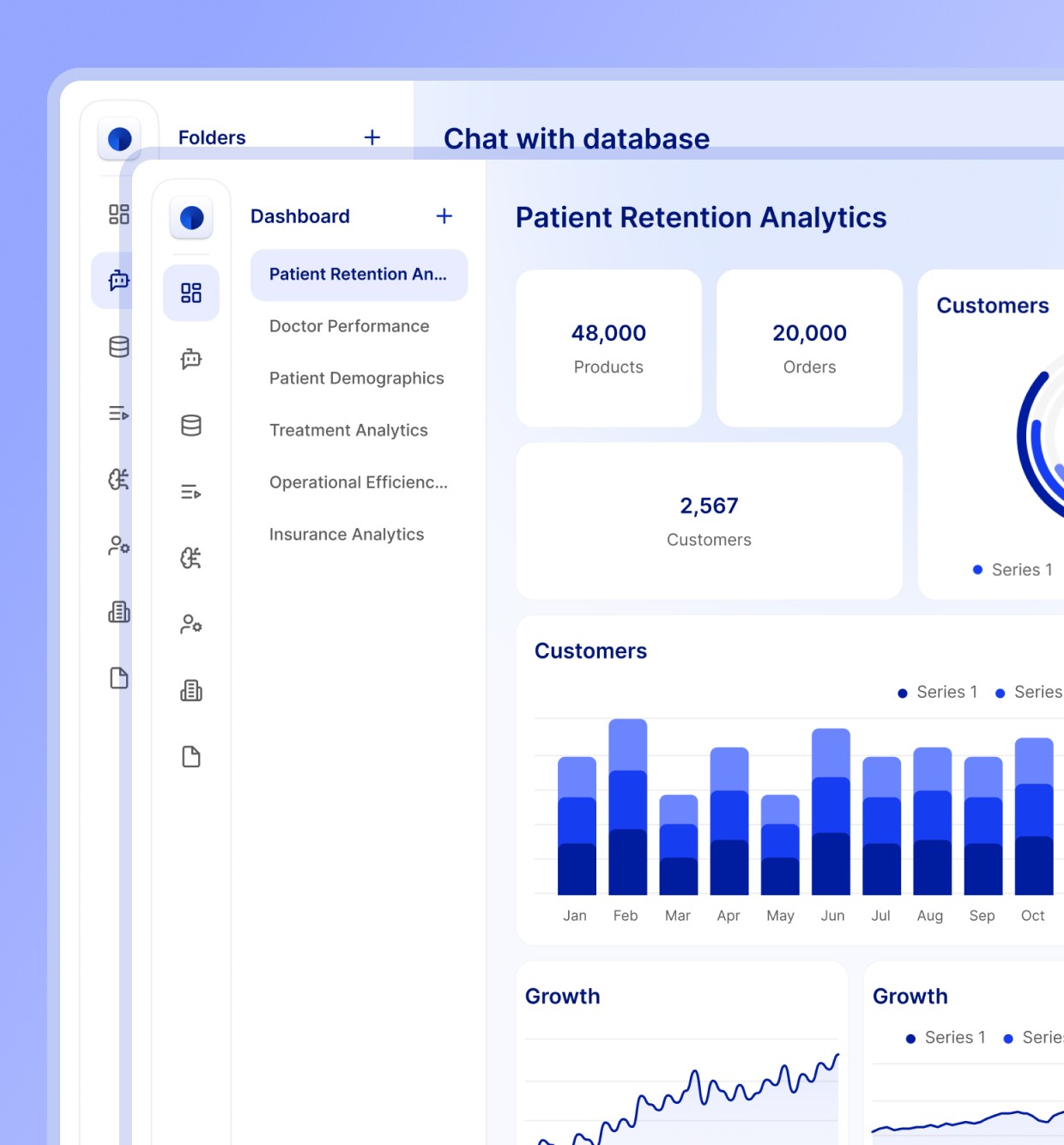
Use ECHO’s configurable dashboard as a prompt to examine user control over starting views.
CONNECT THE IDEAS
Keep exploring
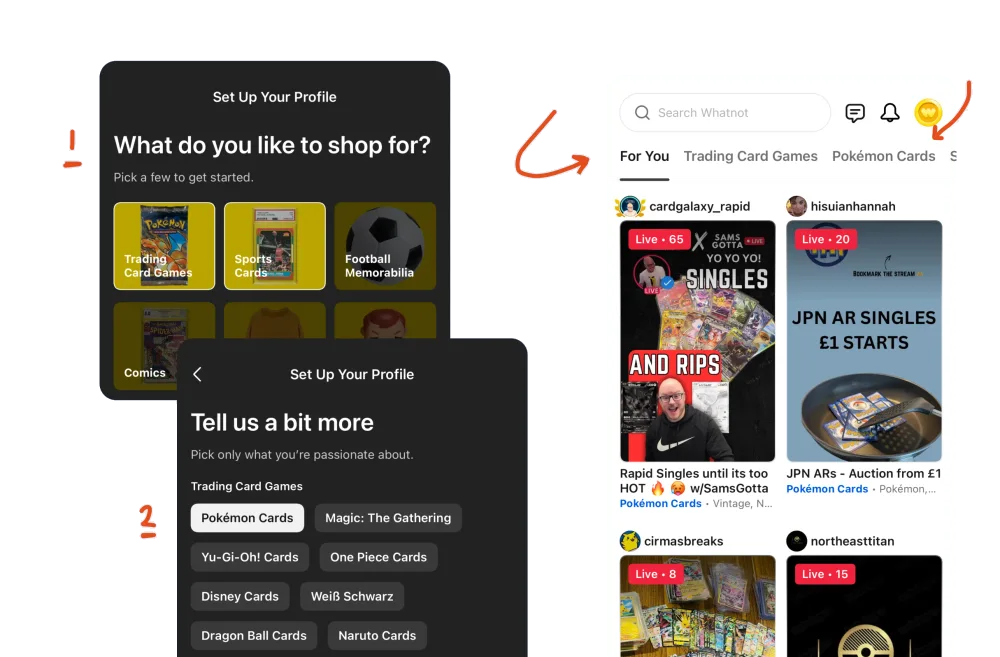
Do the design work before asking users to configure it.