














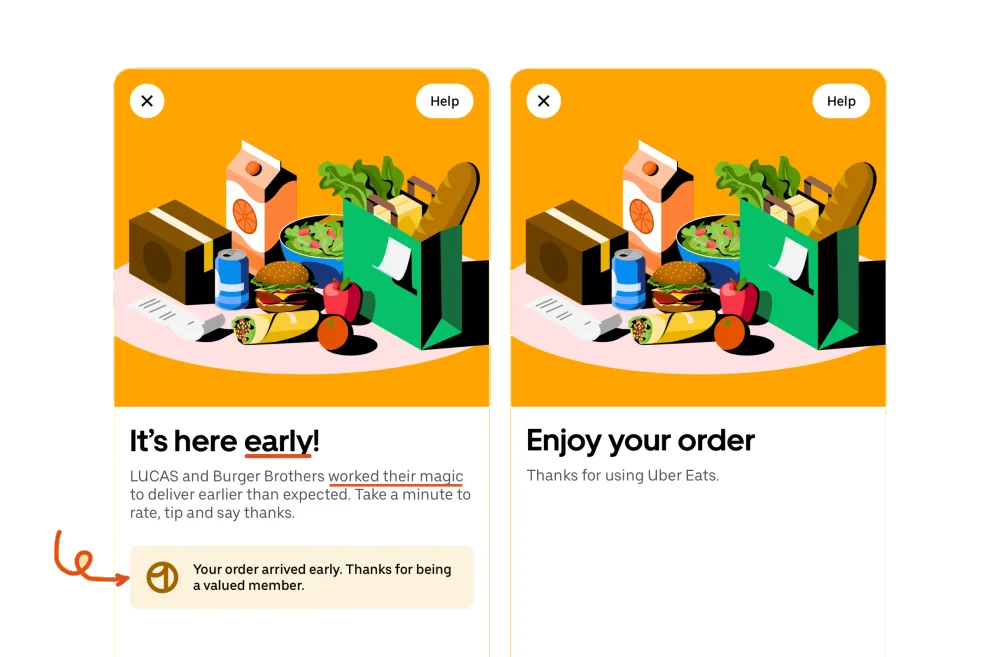
A polished appearance can influence how easy a product feels to use.
UX laws,
made practical.
Learn the psychology behind the interfaces you use.
Clear explanations. Real product examples.
Saved on this browser. Your list stays here when you return.


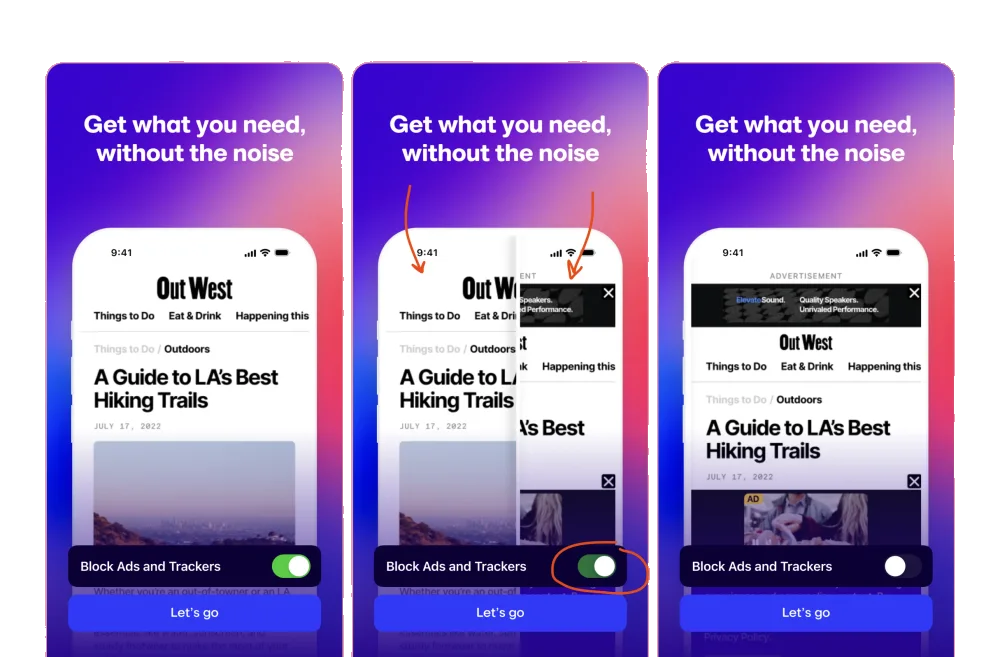





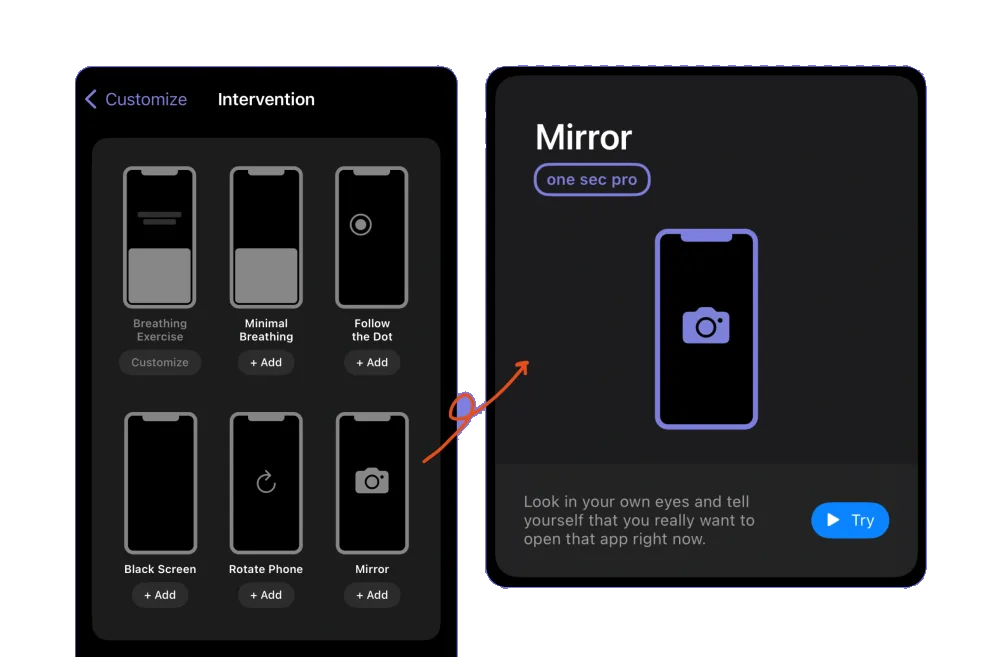



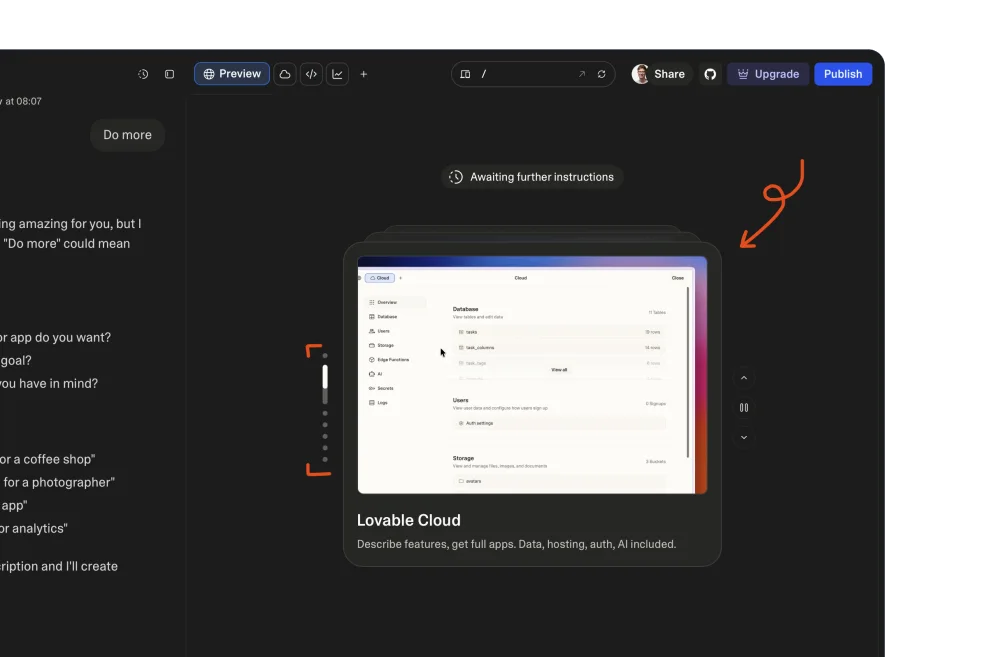



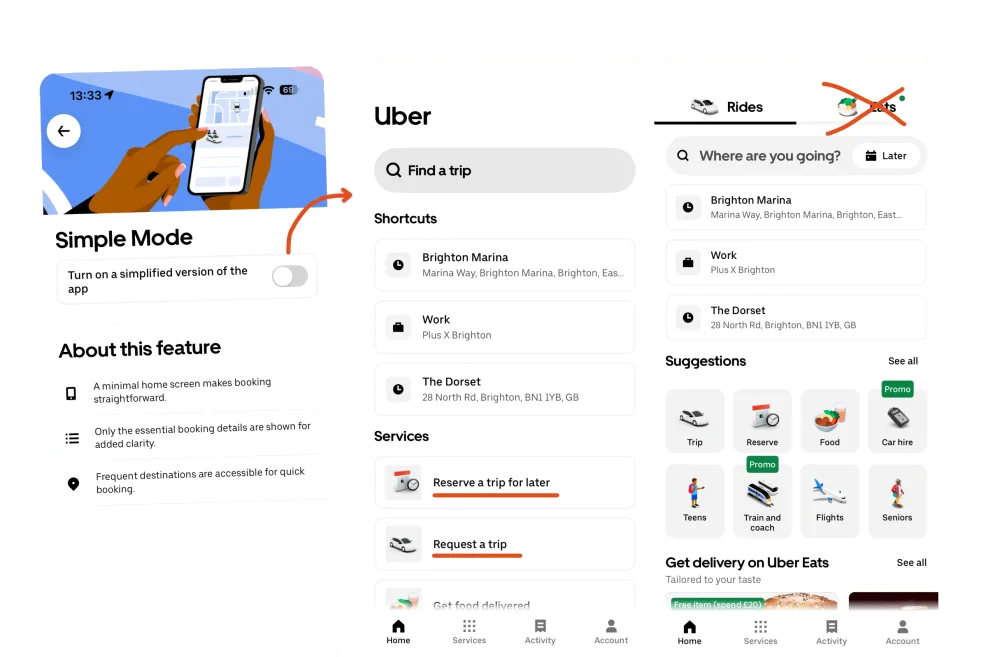


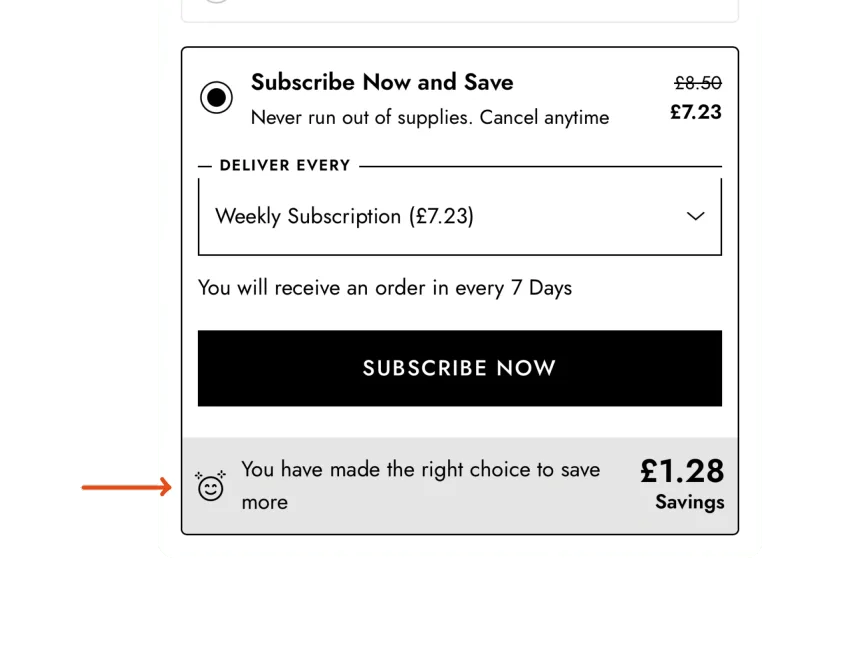









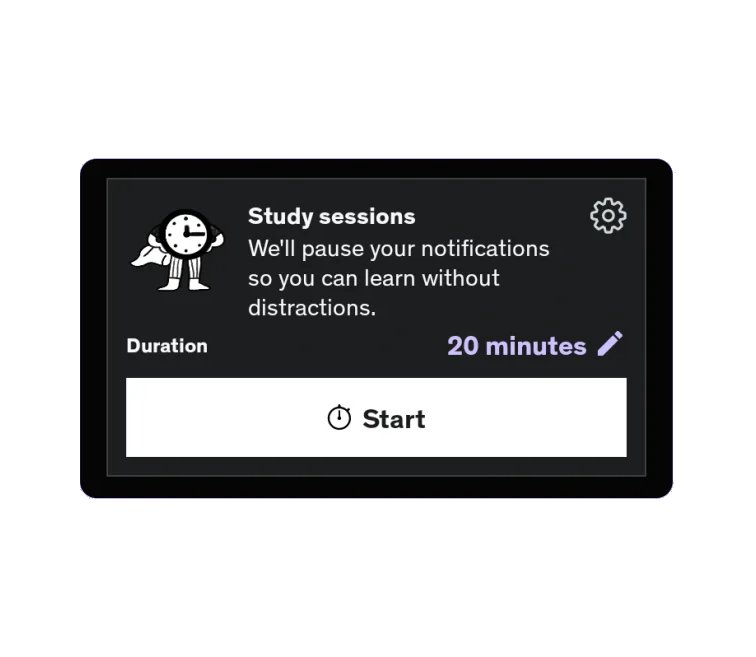



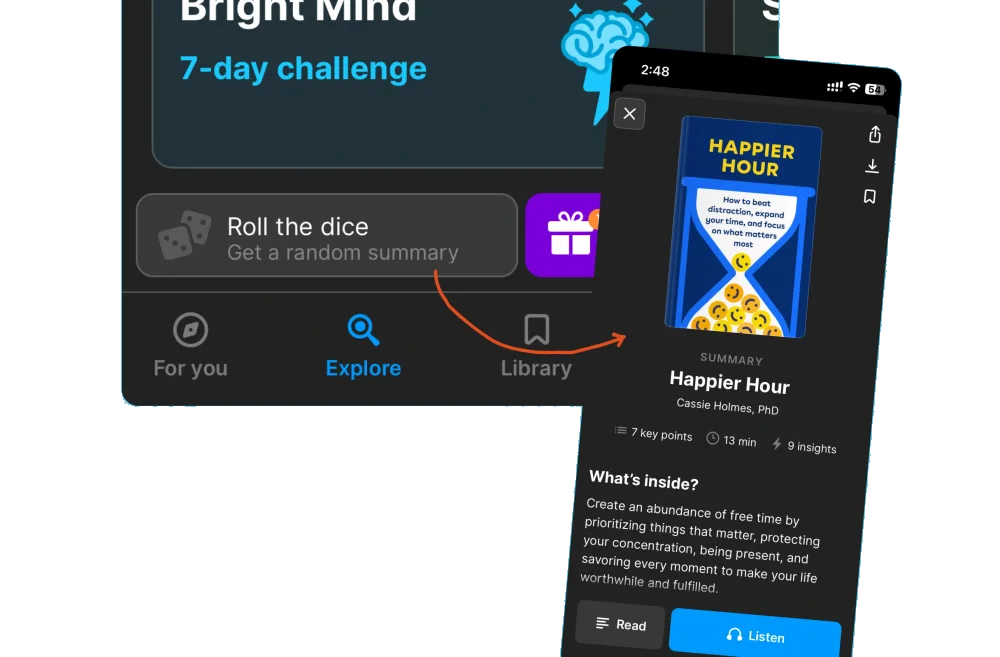



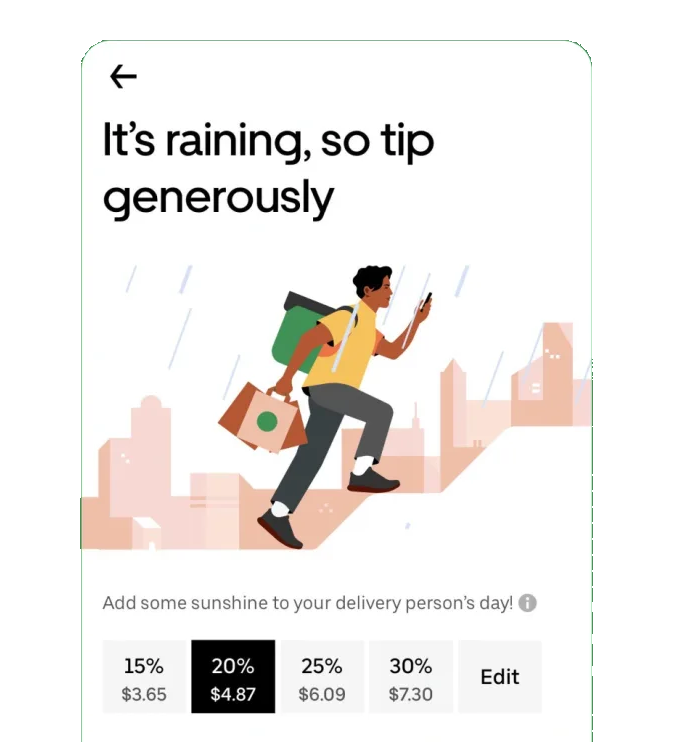

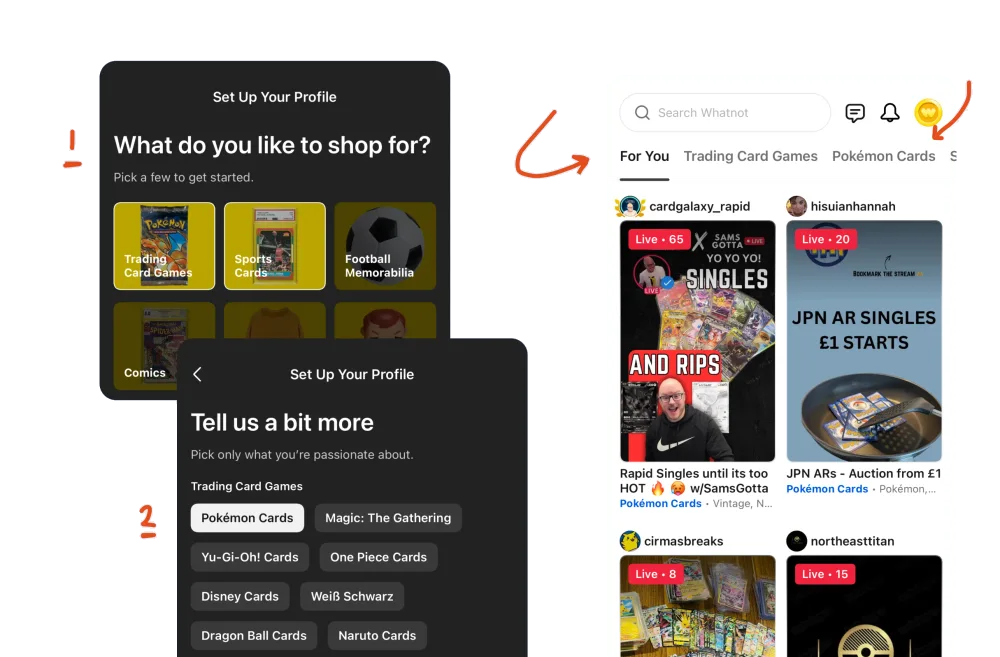

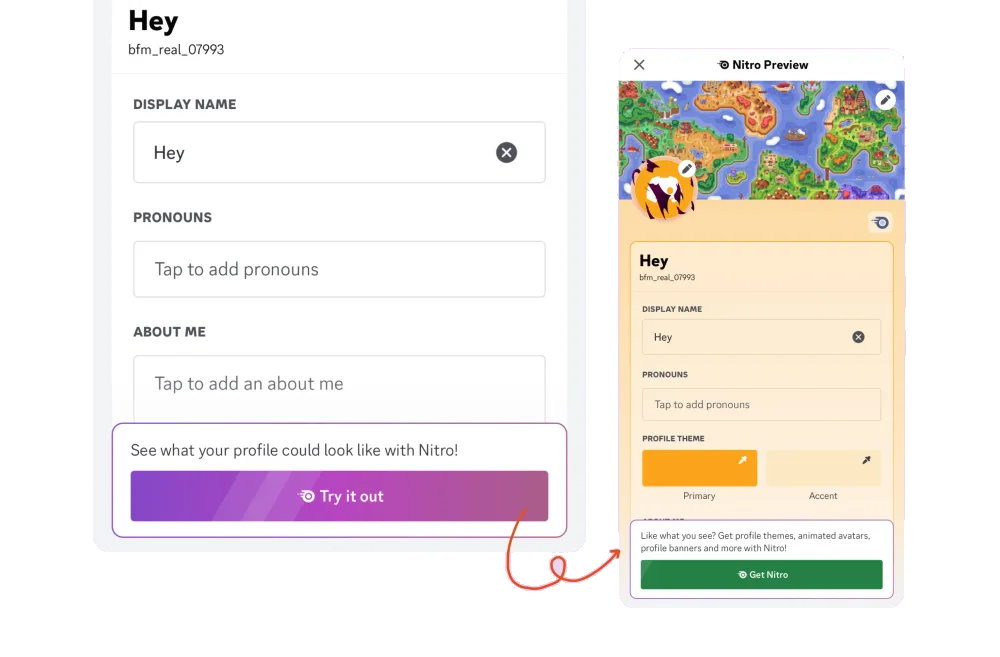
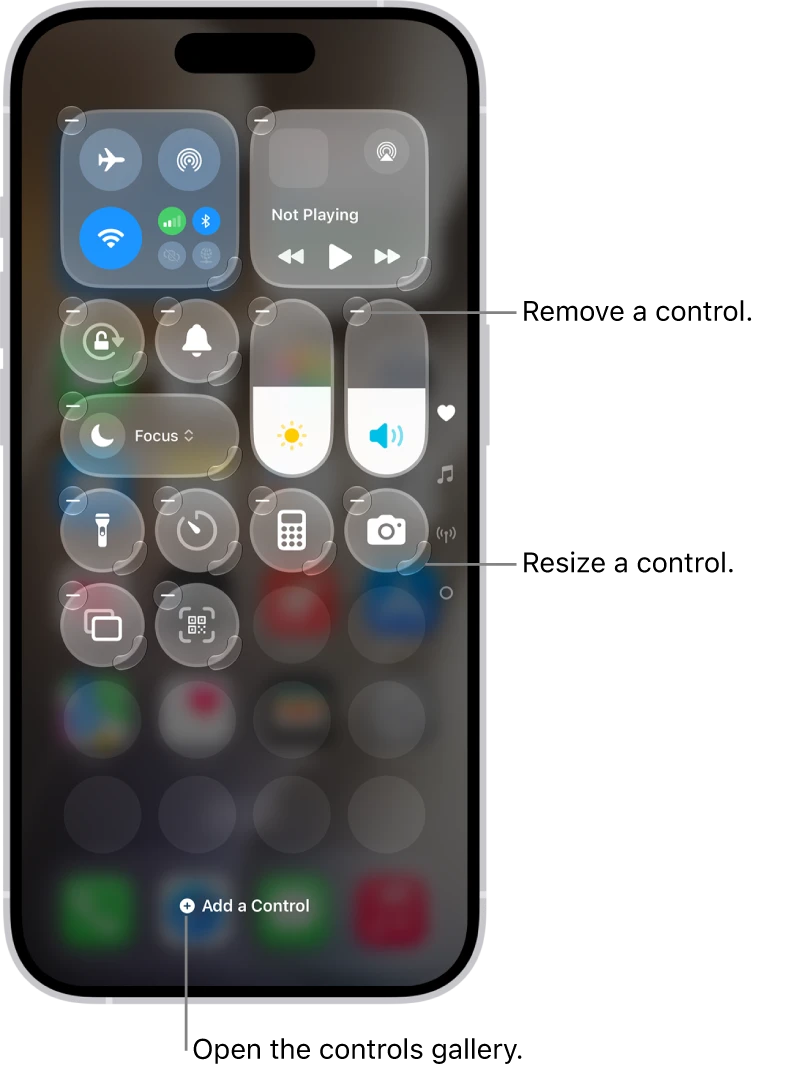
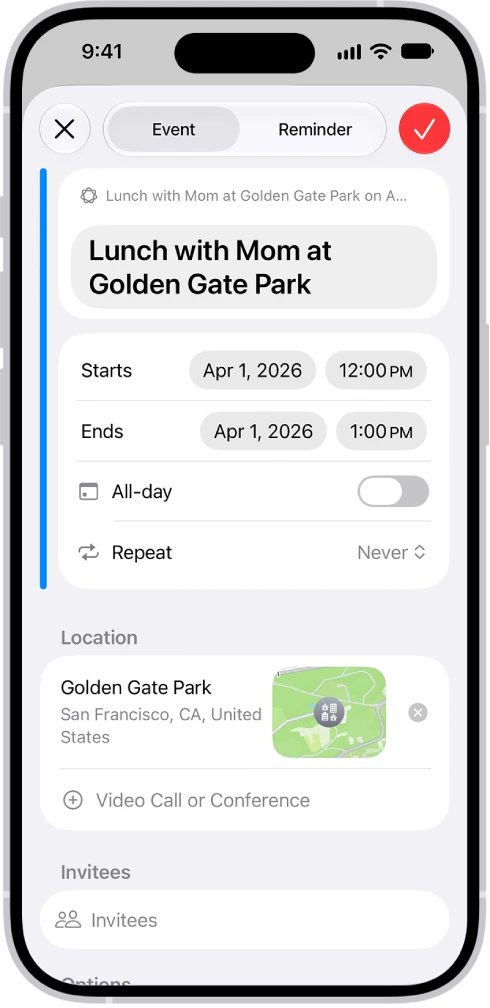
Do the design work before asking users to configure it.


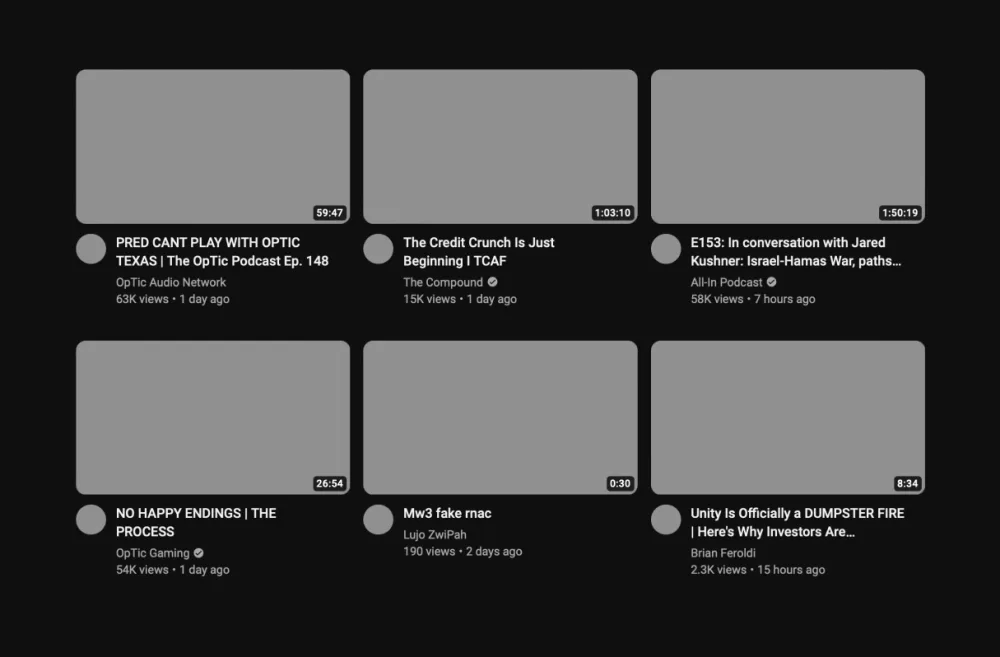


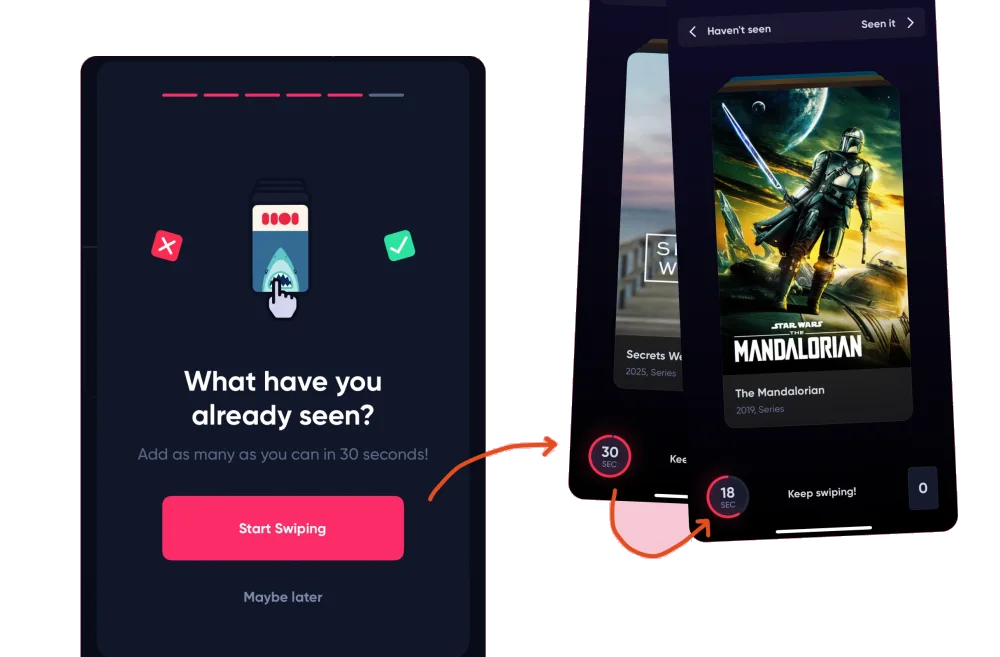













Match the challenge to the person’s skills and keep the next action clear.












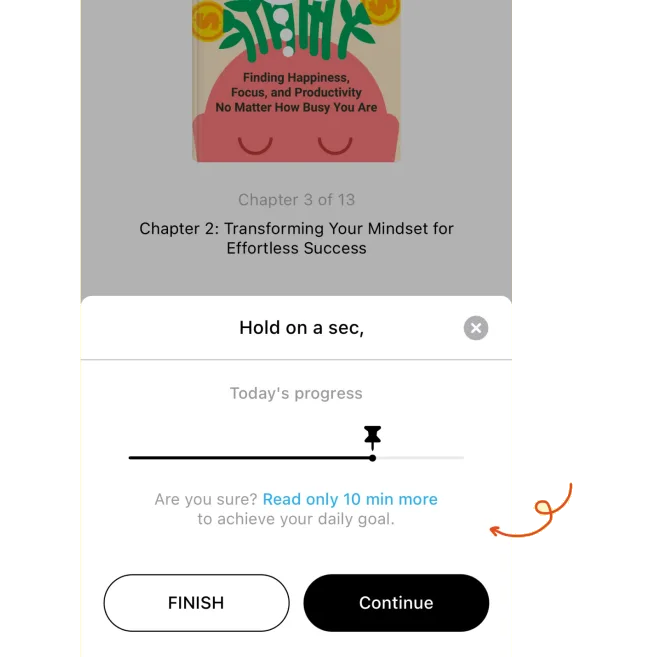


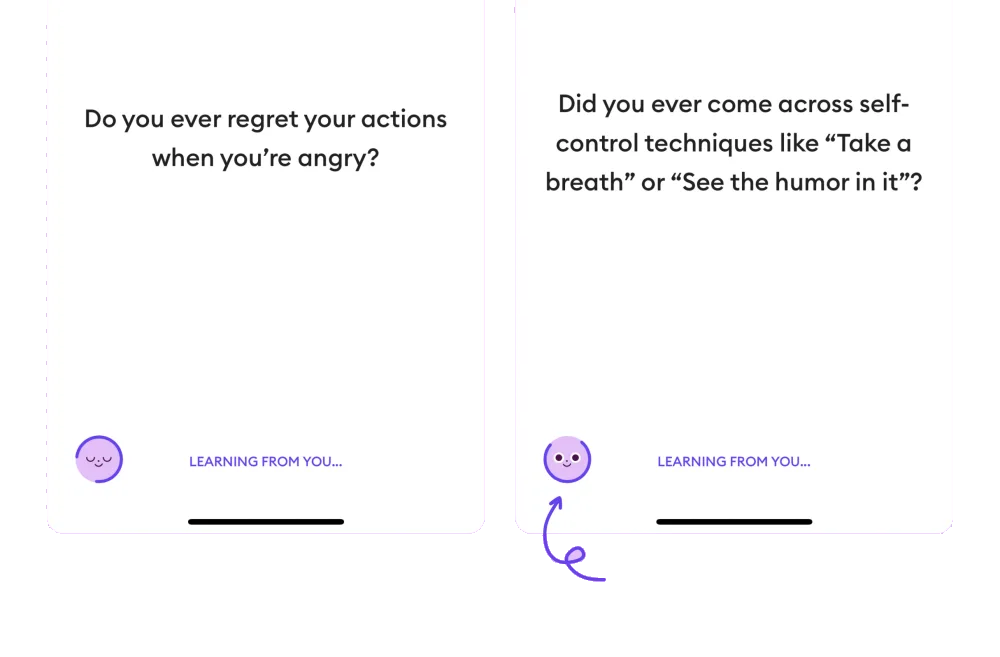



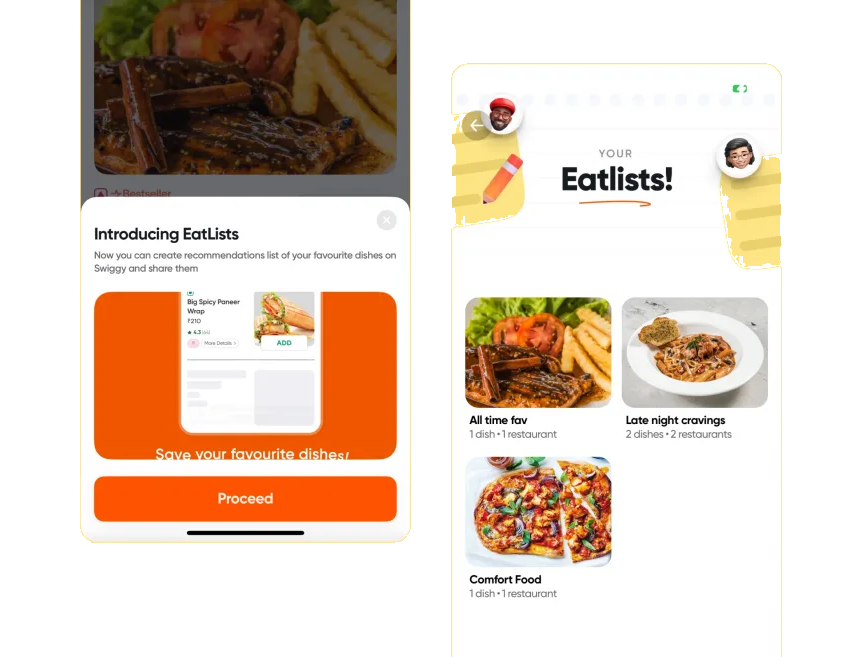

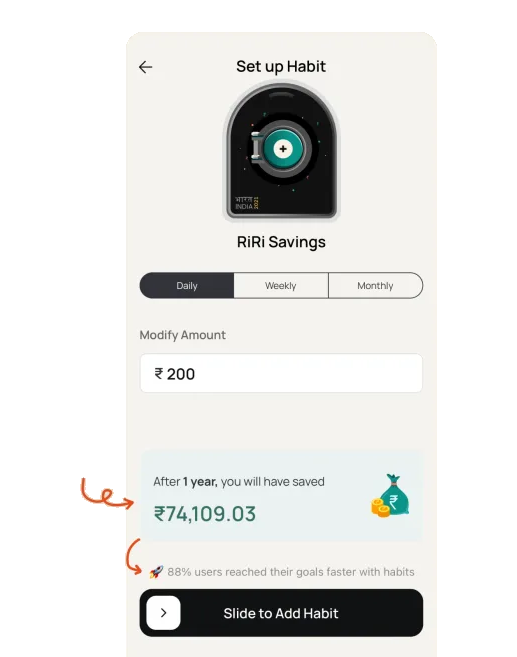






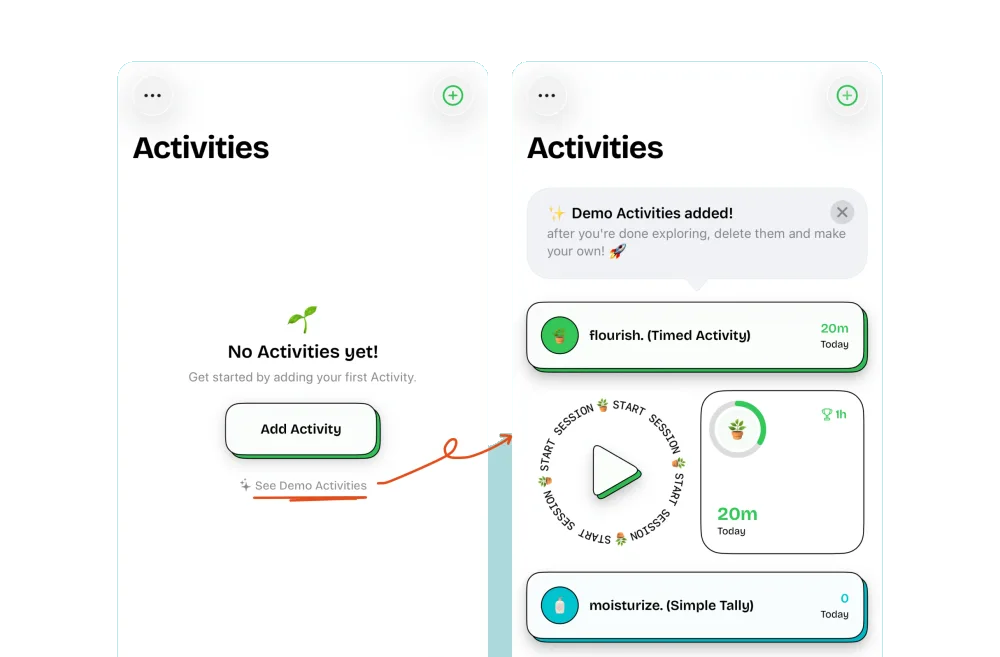


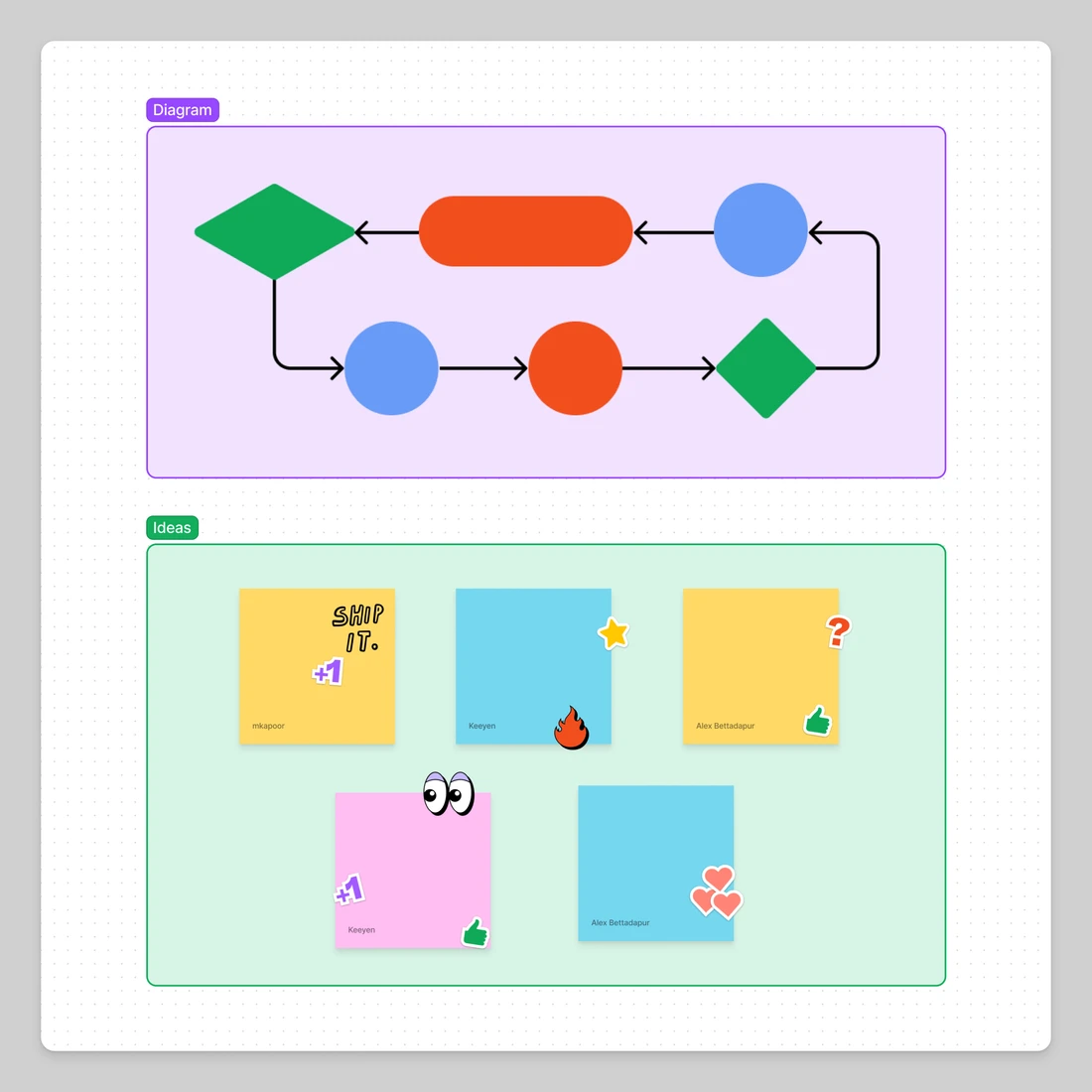


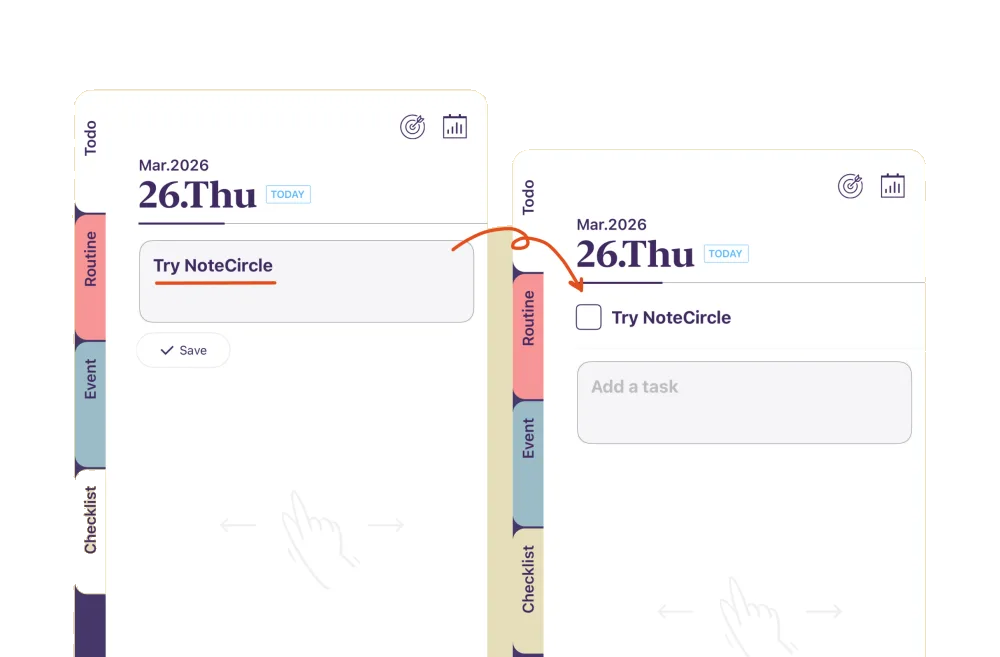





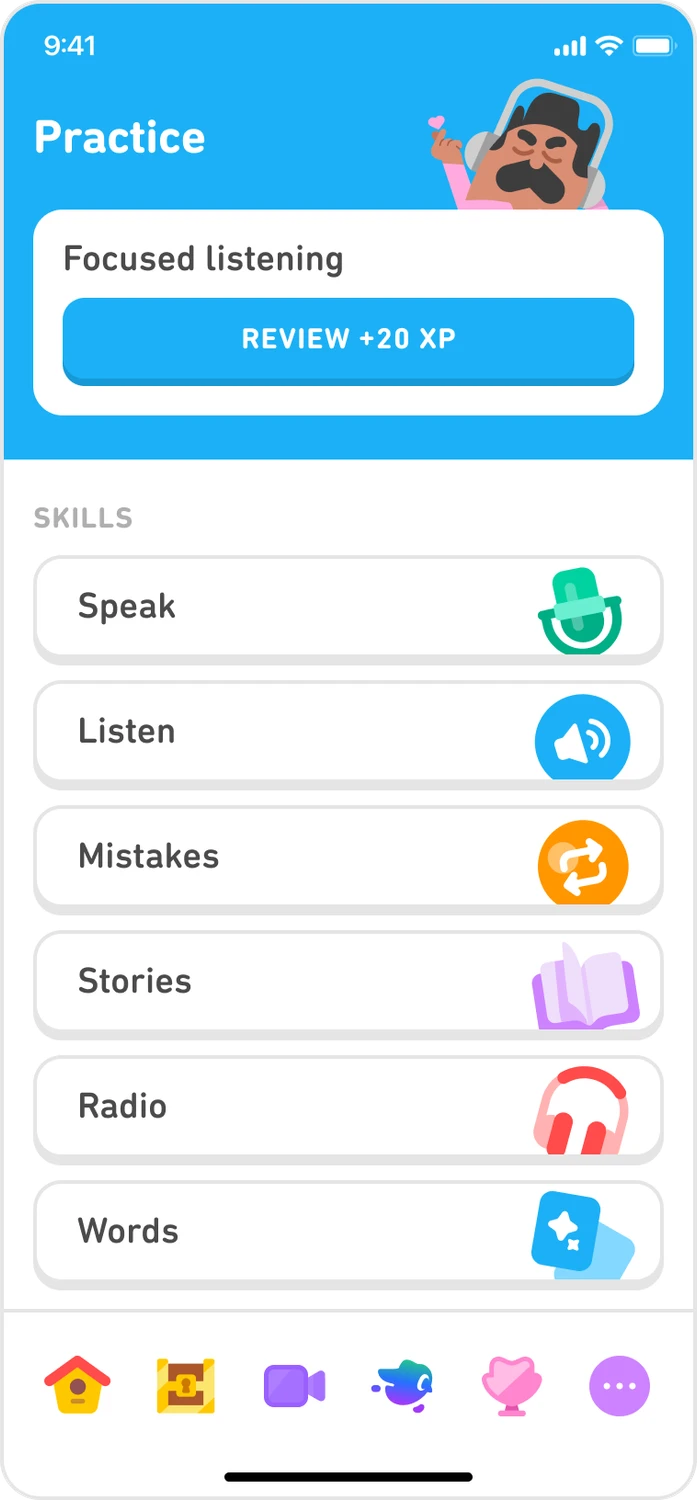

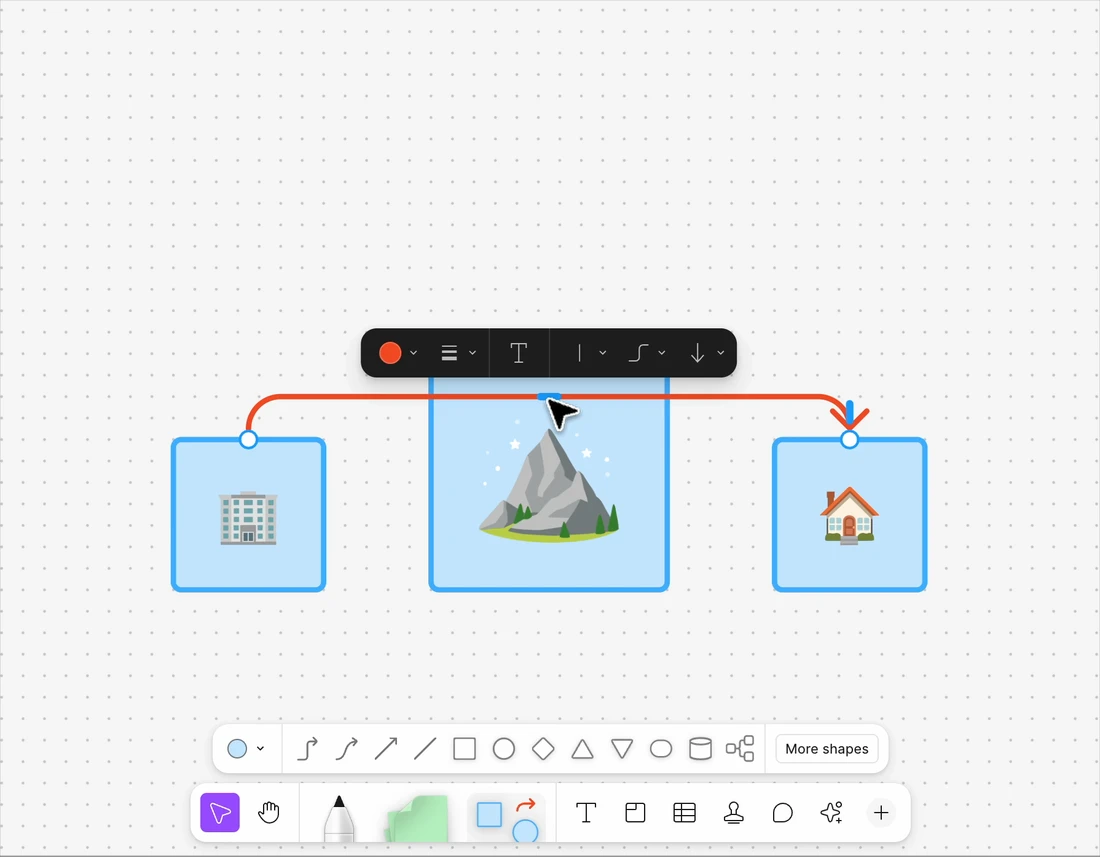




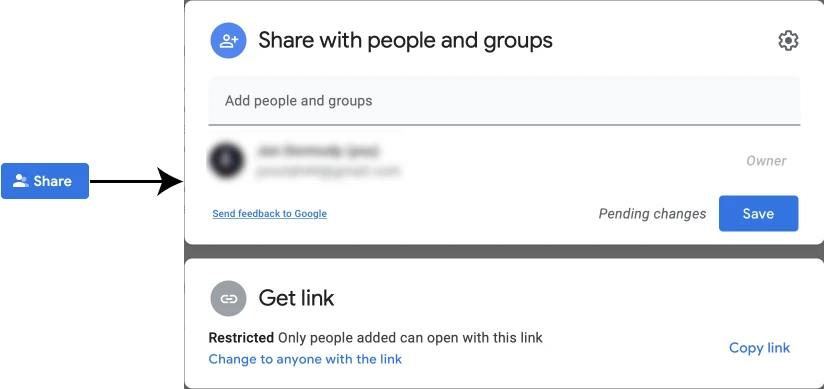



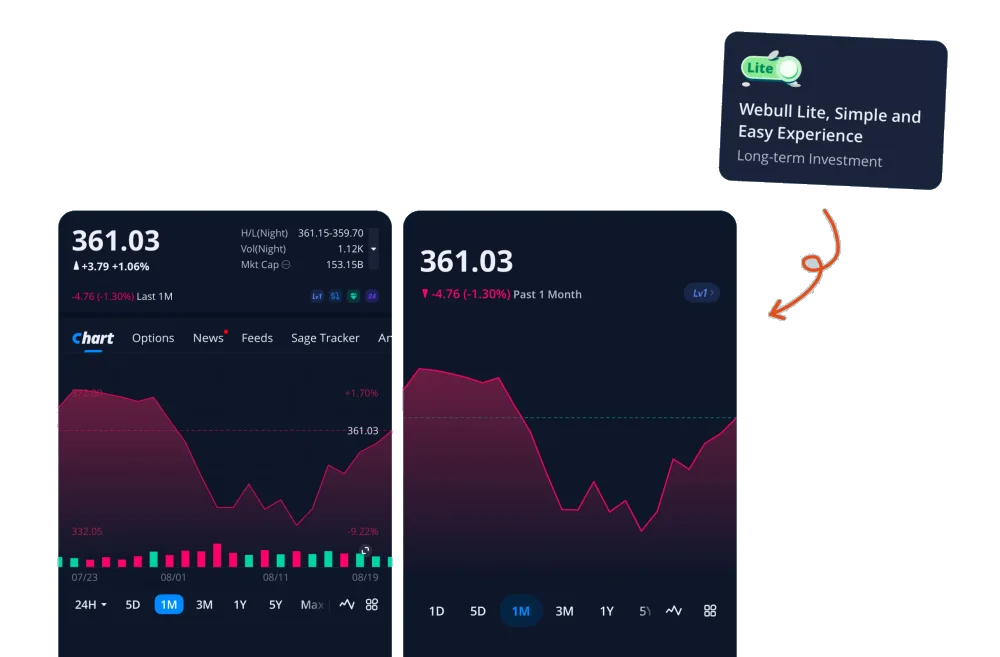
Keep essential information available instead of asking people to remember it.





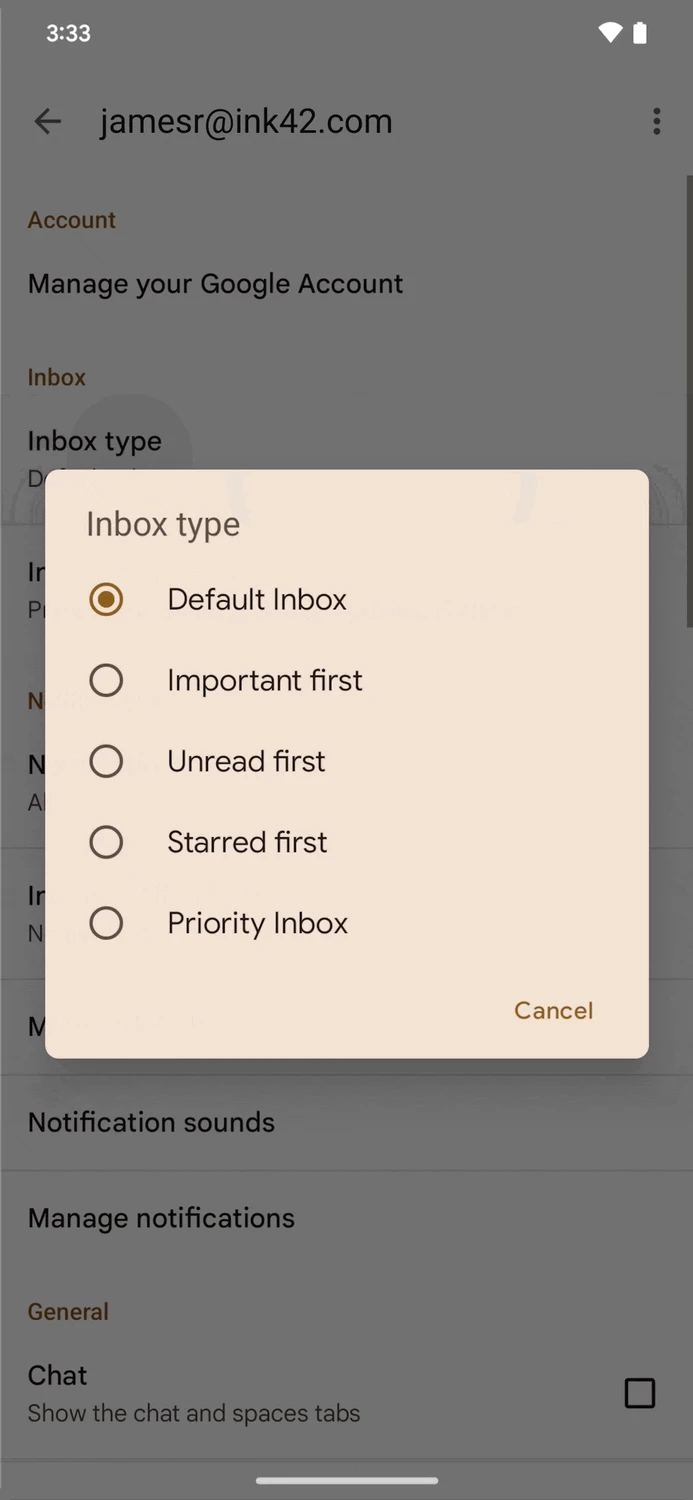

Find the few problems or tasks that account for a large share of the impact.





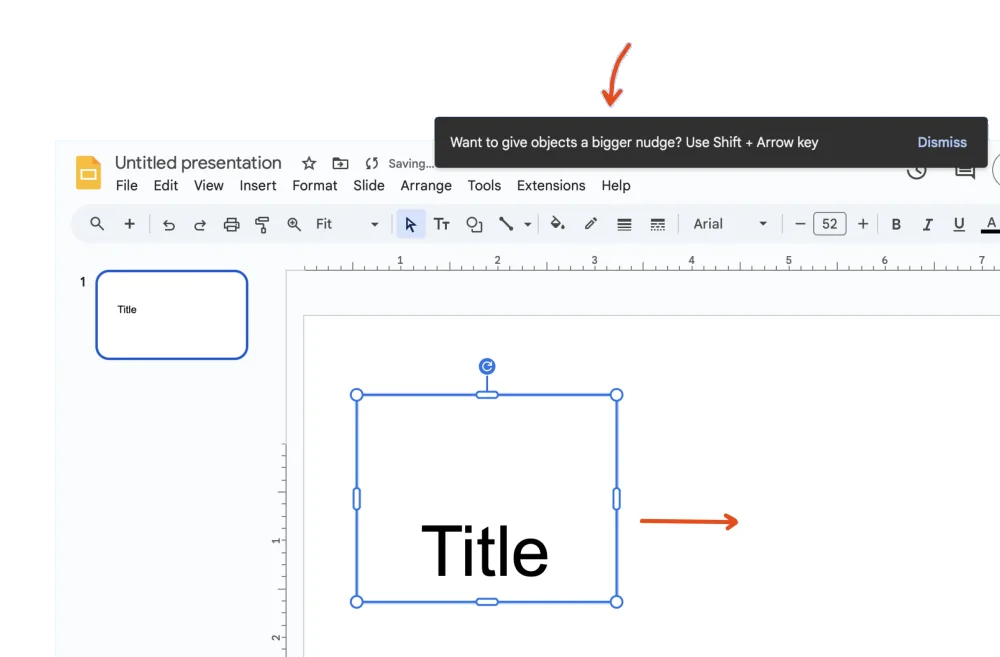






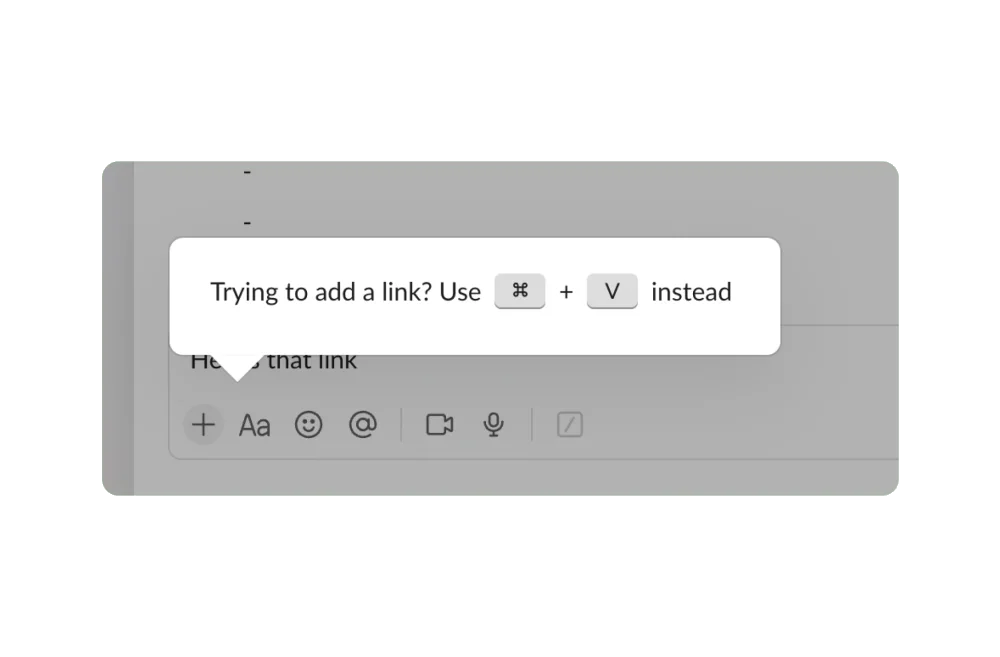



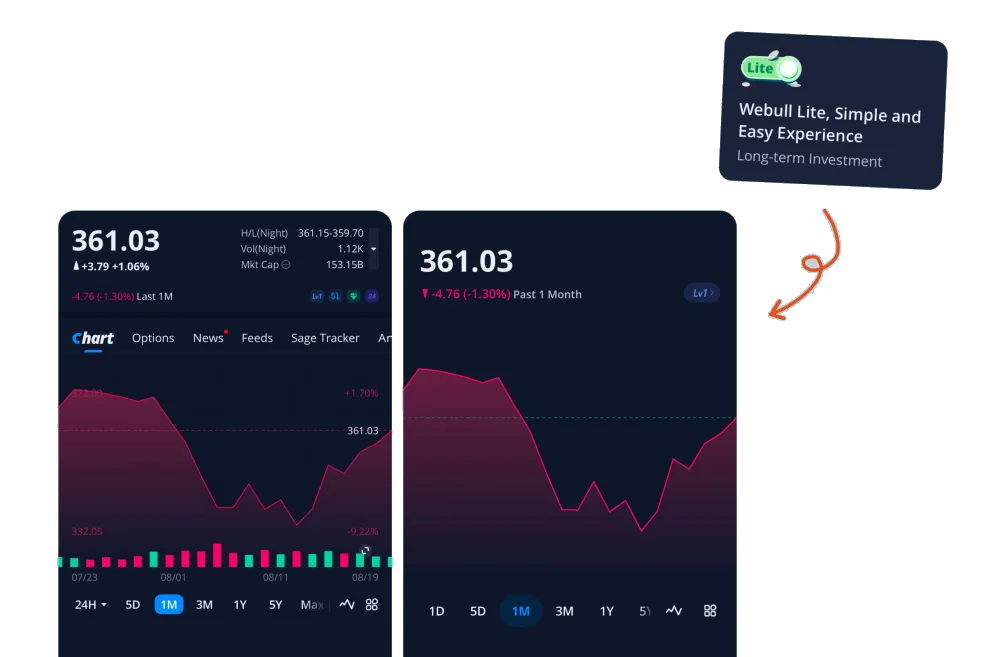

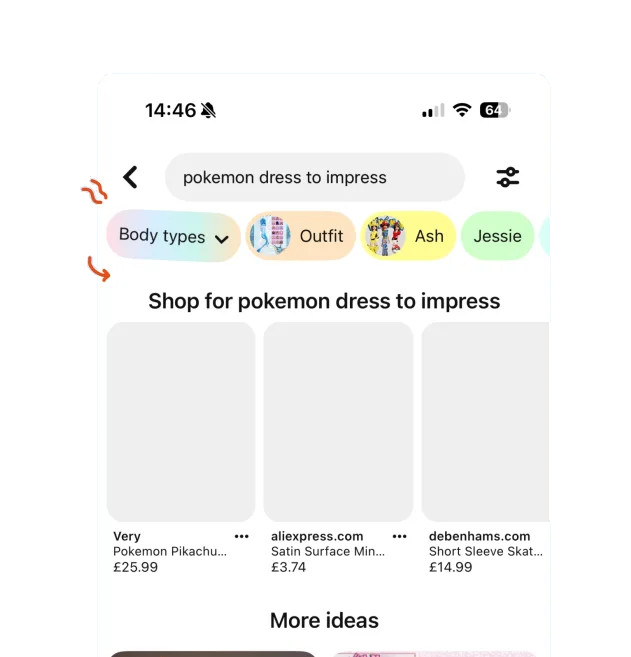

People notice information that fits their current focus.


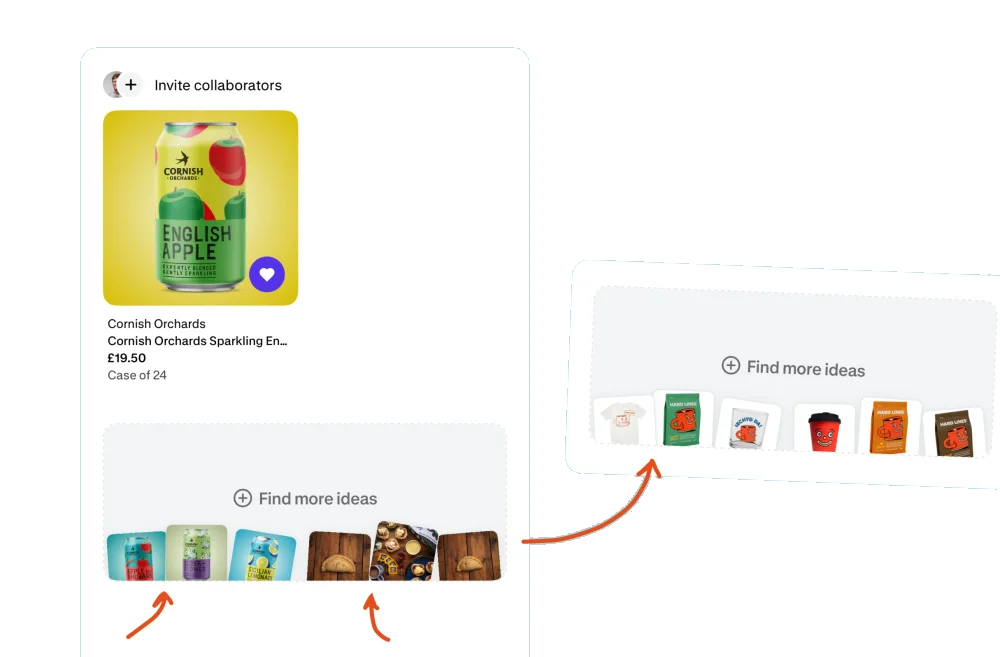




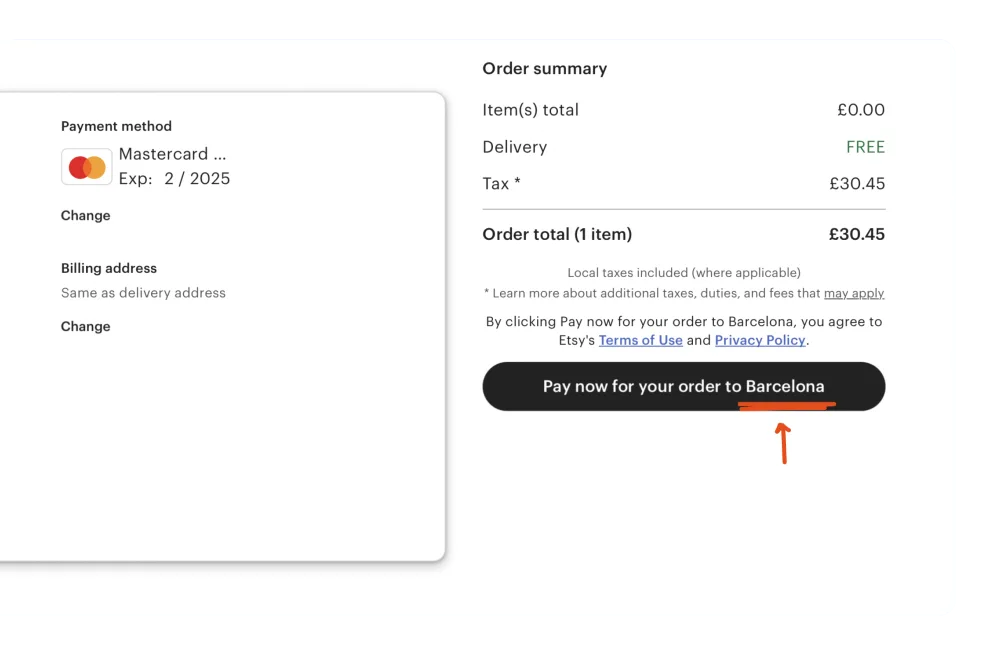





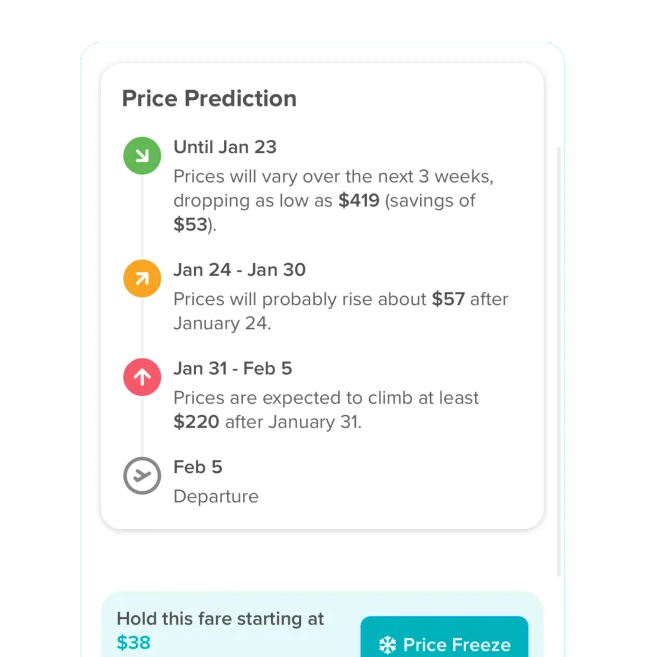



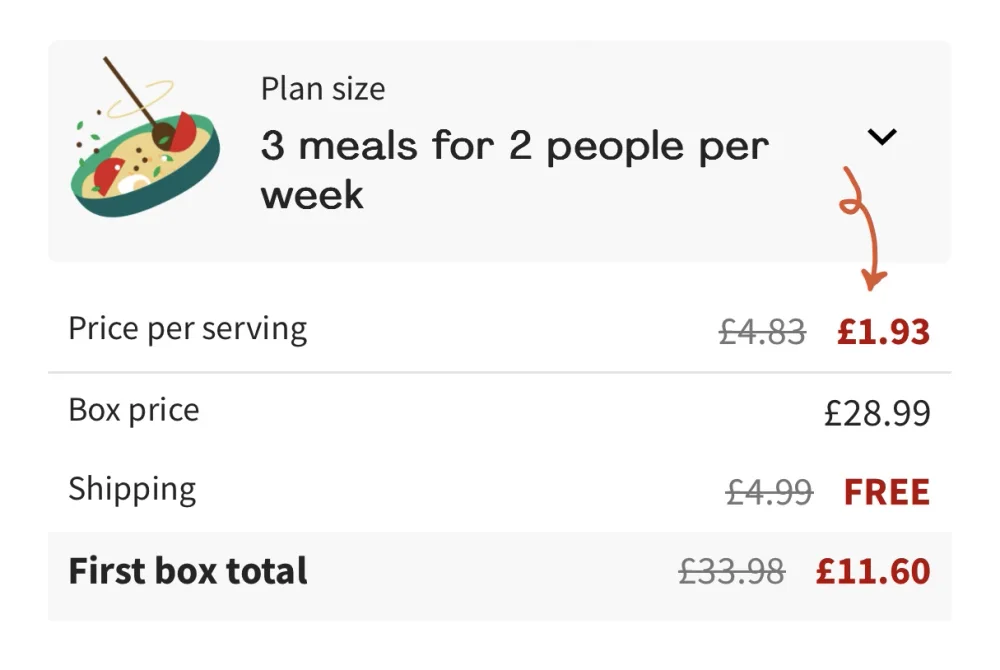



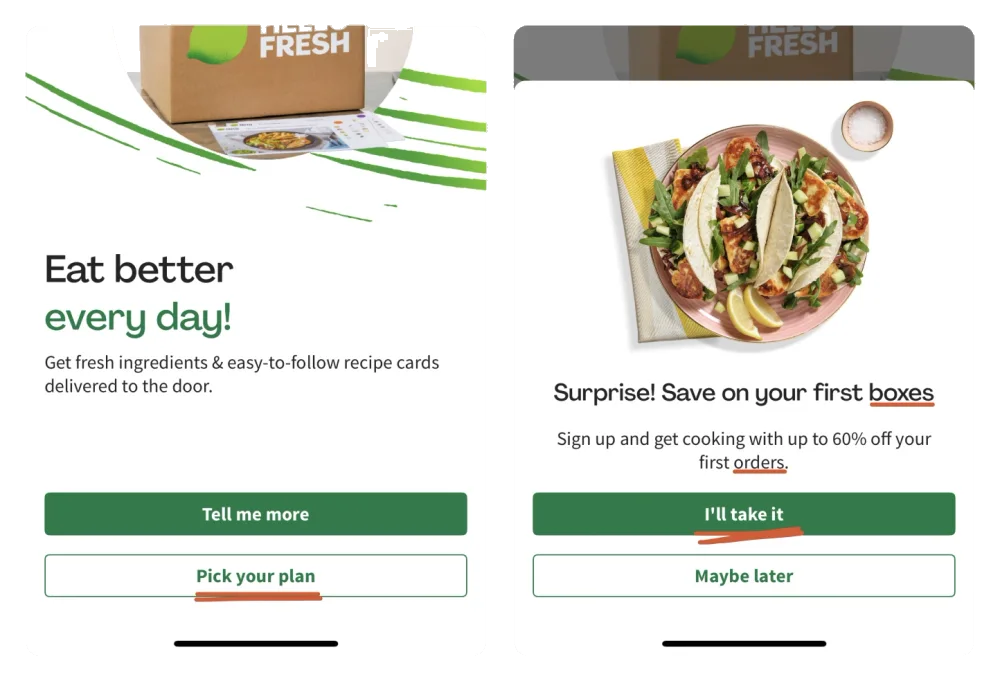

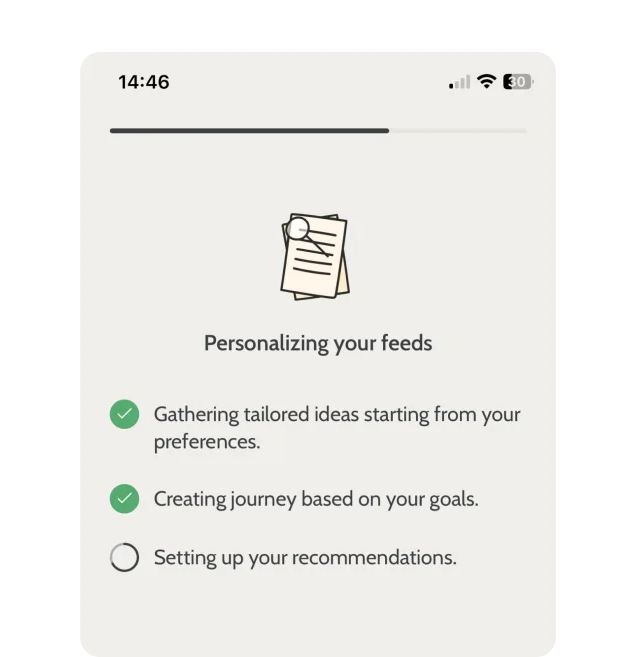




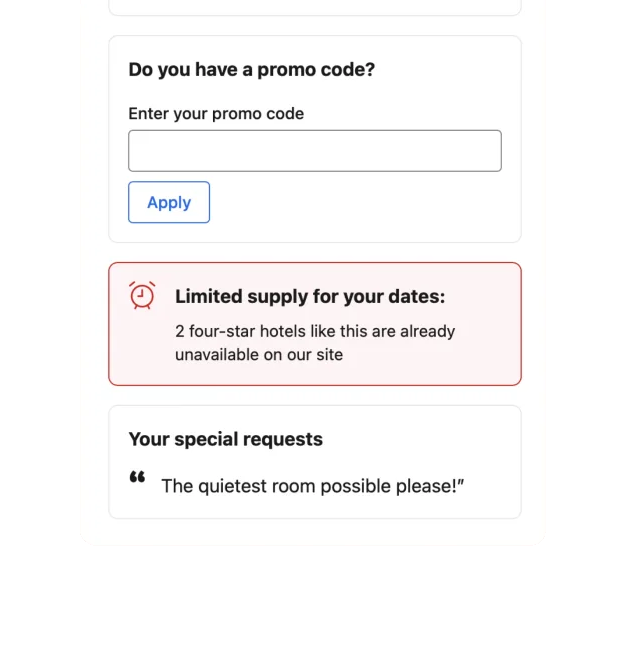


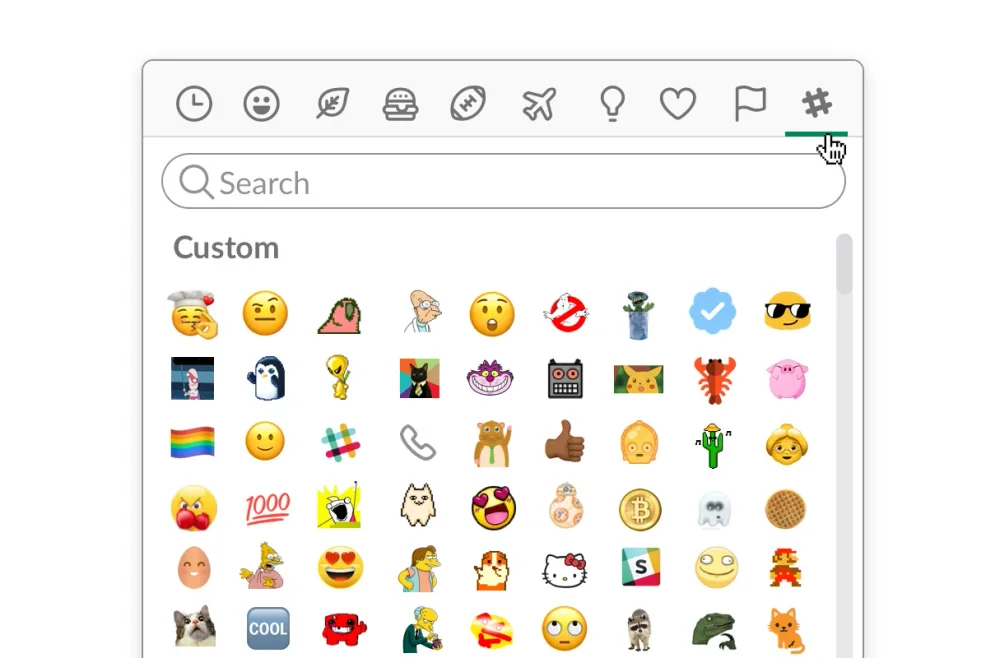












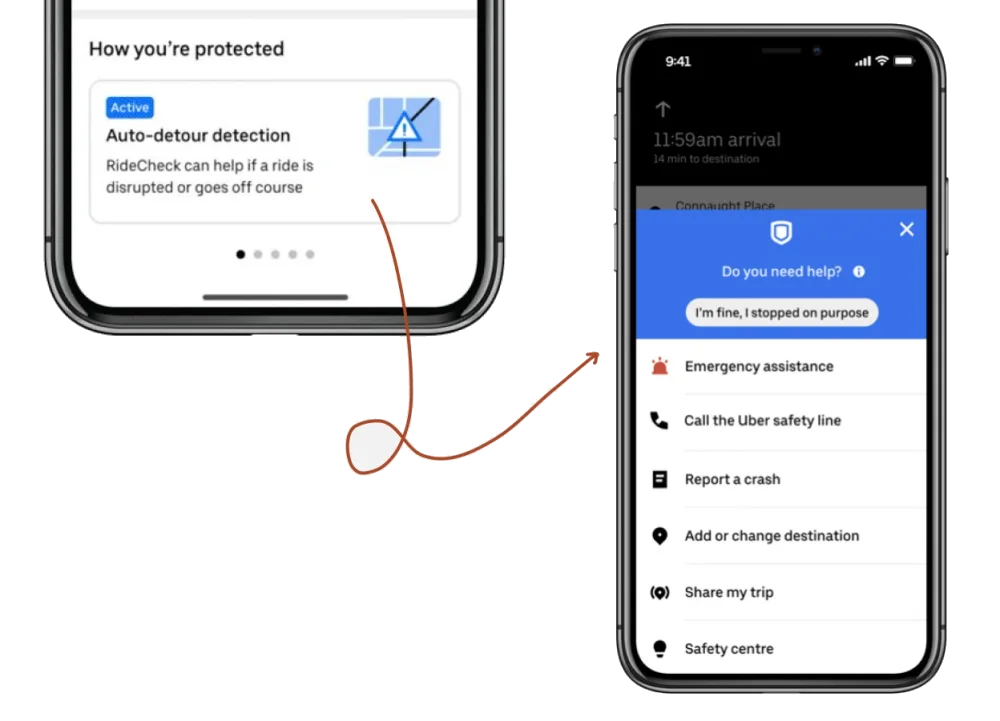



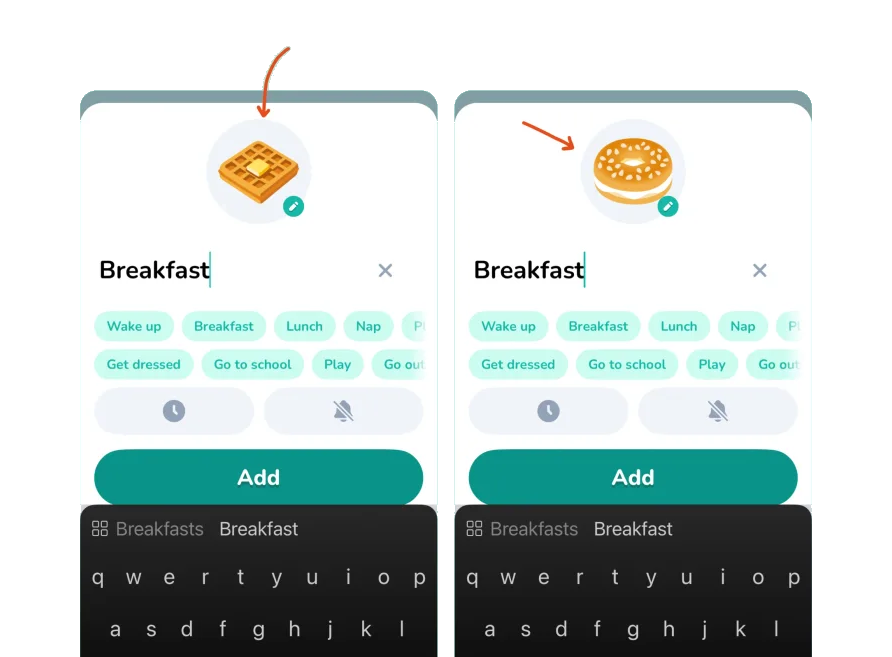
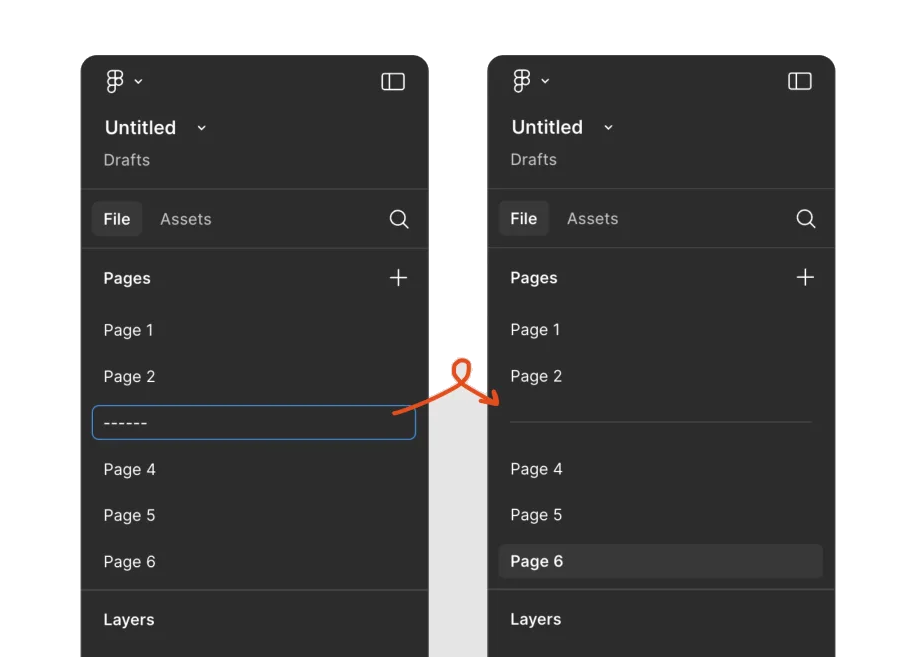
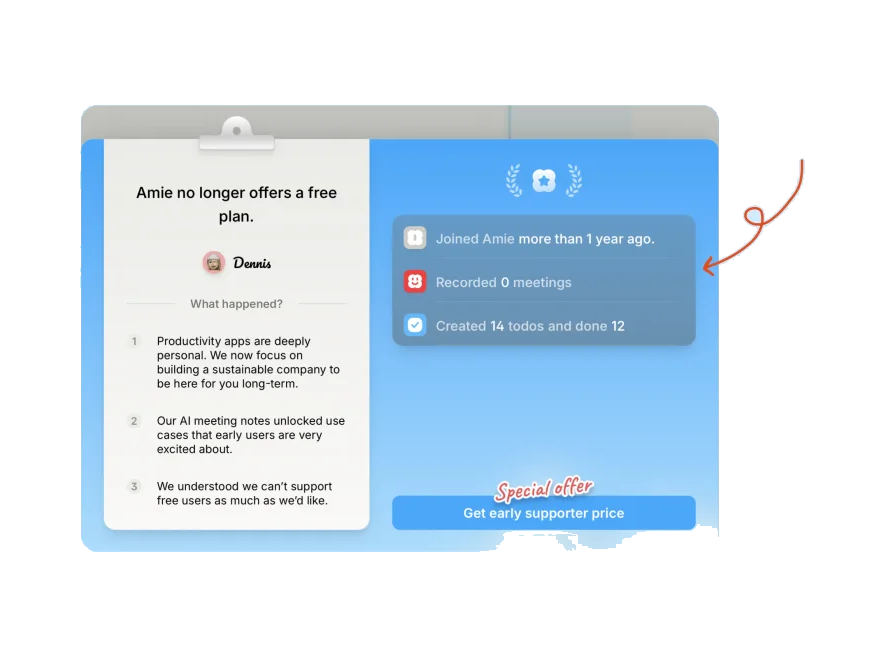
Use meaningful contrast to make one important item distinctive.


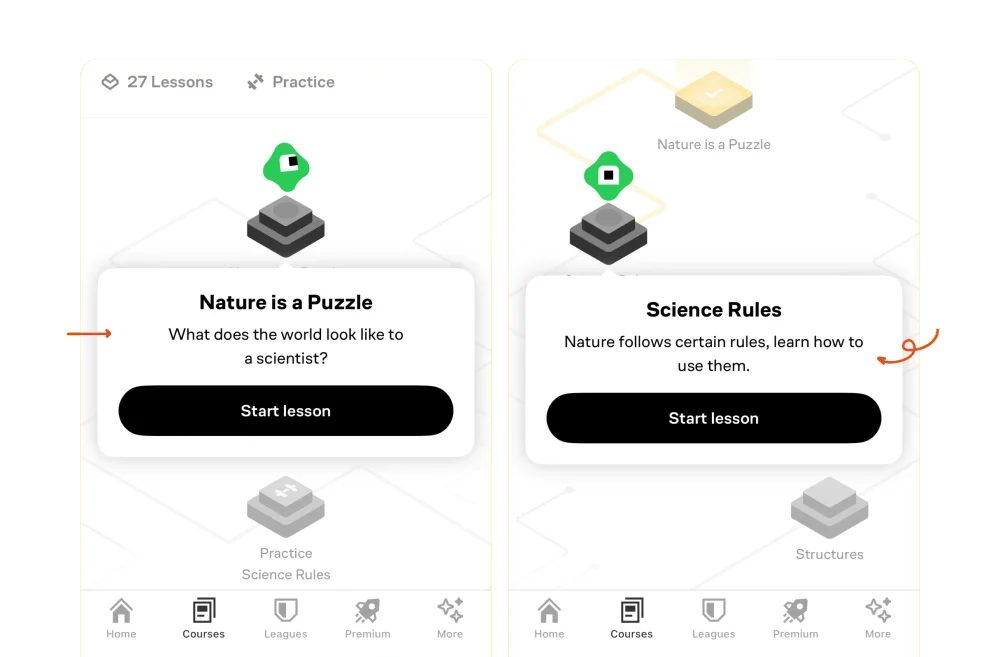
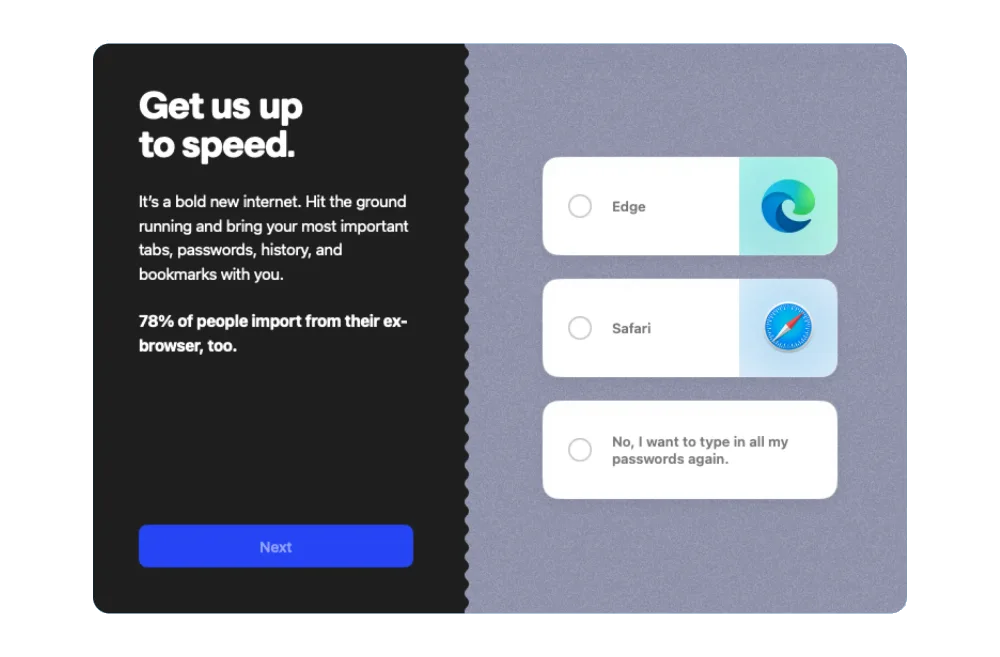
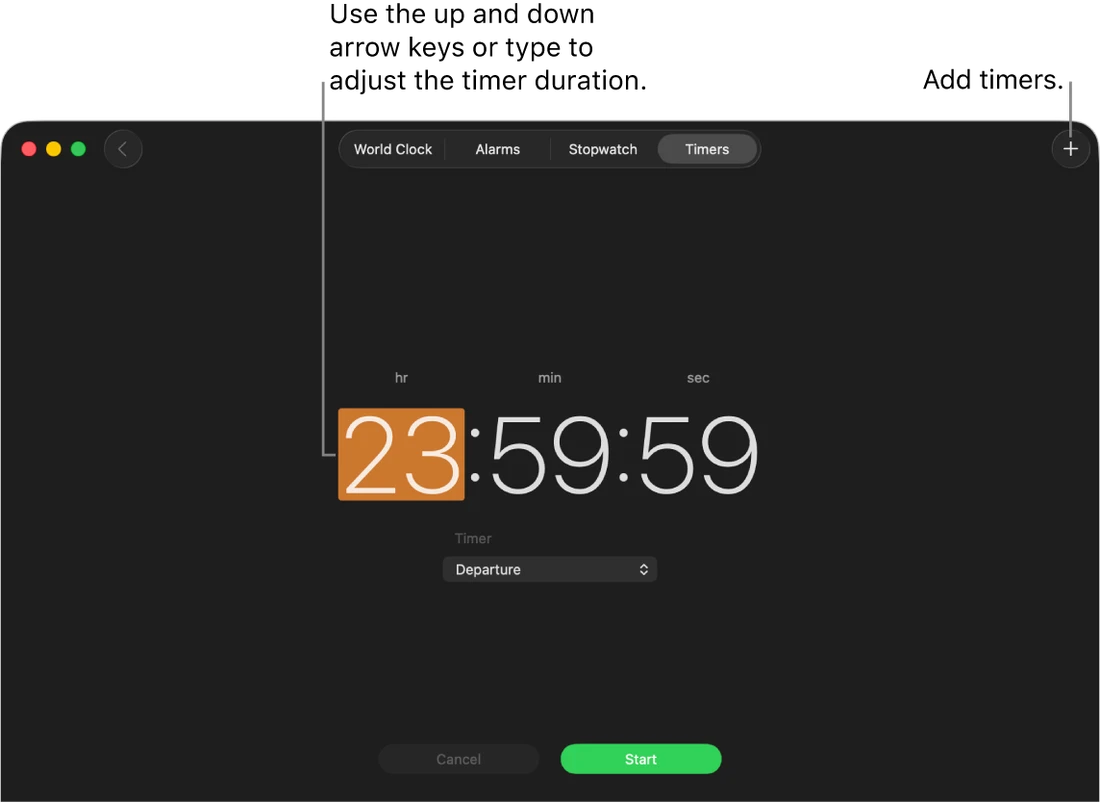
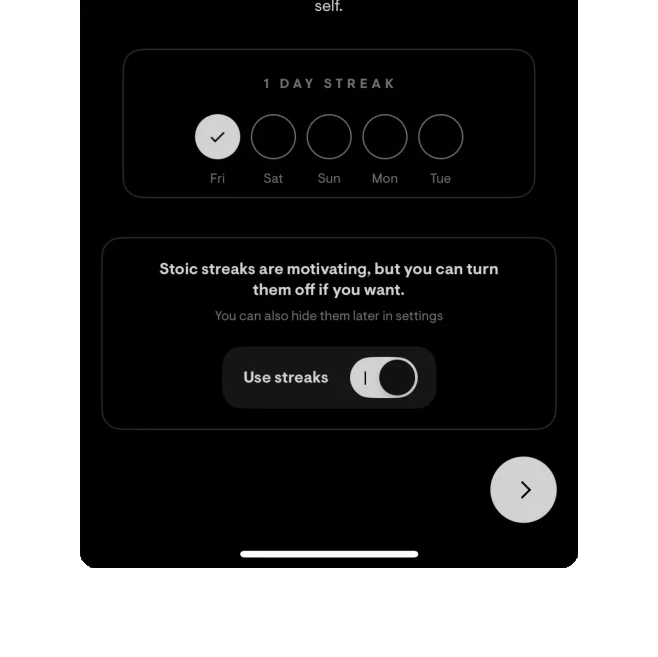
Make unfinished work easy to resume without assuming it will be remembered.
No principles found.
Try a shorter search or choose another impact.
Frequently Asked Questions
Find answers to the most commonly asked questions about UX laws.
What is a UX law?
A useful lens for understanding people and interfaces. This collection includes research findings, design principles and practical heuristics. Their strength and limits vary, so each entry explains the context and what to watch out for.
Where should I start?
Start with Cognitive Load if you are new to the subject, use search to find principles around the problem you are working on. Follow the examples, then use the related principles to explore a different angle.
How do I apply a principle to my work?
Identify the user’s task, observe a specific difficulty and use the principle to form a design hypothesis. Test the change with the intended audience. The linked Upslide process guides help connect an idea with practical research and design steps.